What's the Difference Between Cardboard, Corrugated, and Carton Boxes?
“Cardboard” is the everyday word people use, but in the packaging trade it splits into three distinct materials, and each one behaves differently under a printing press.
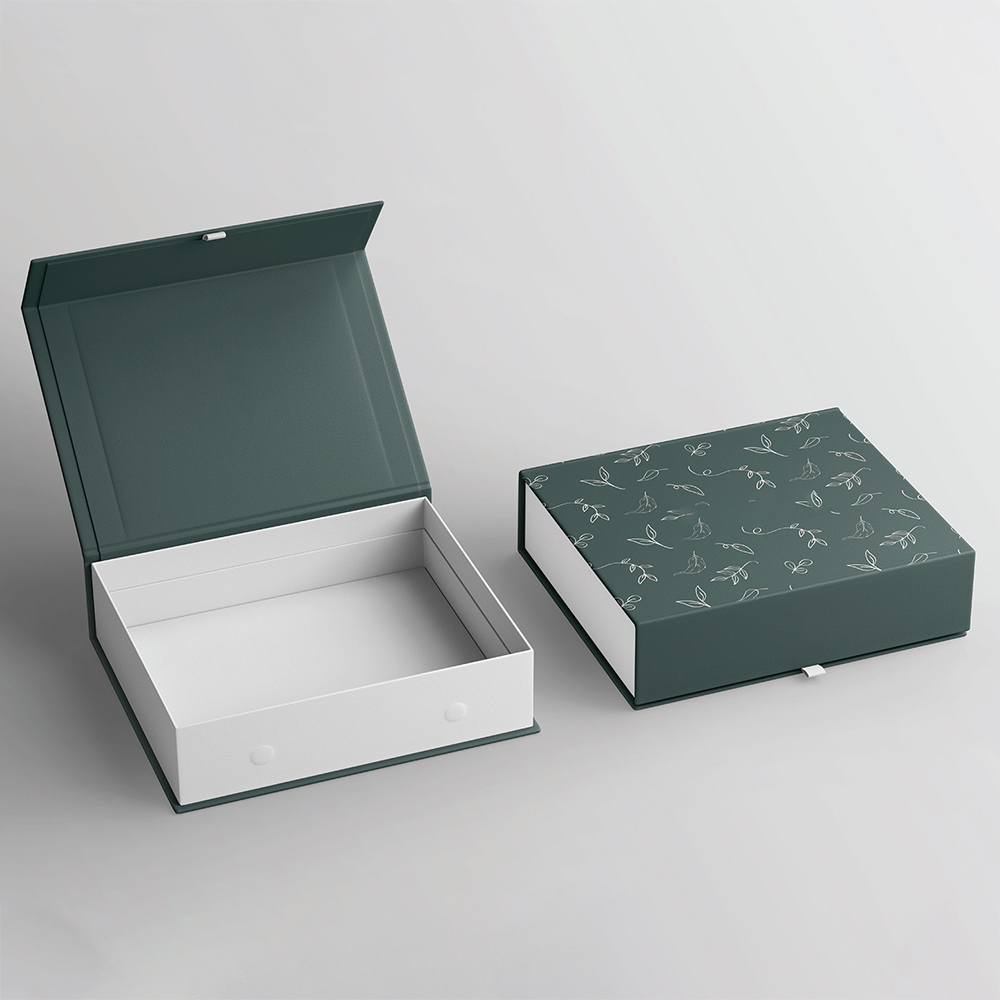
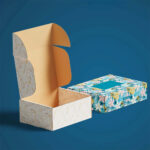
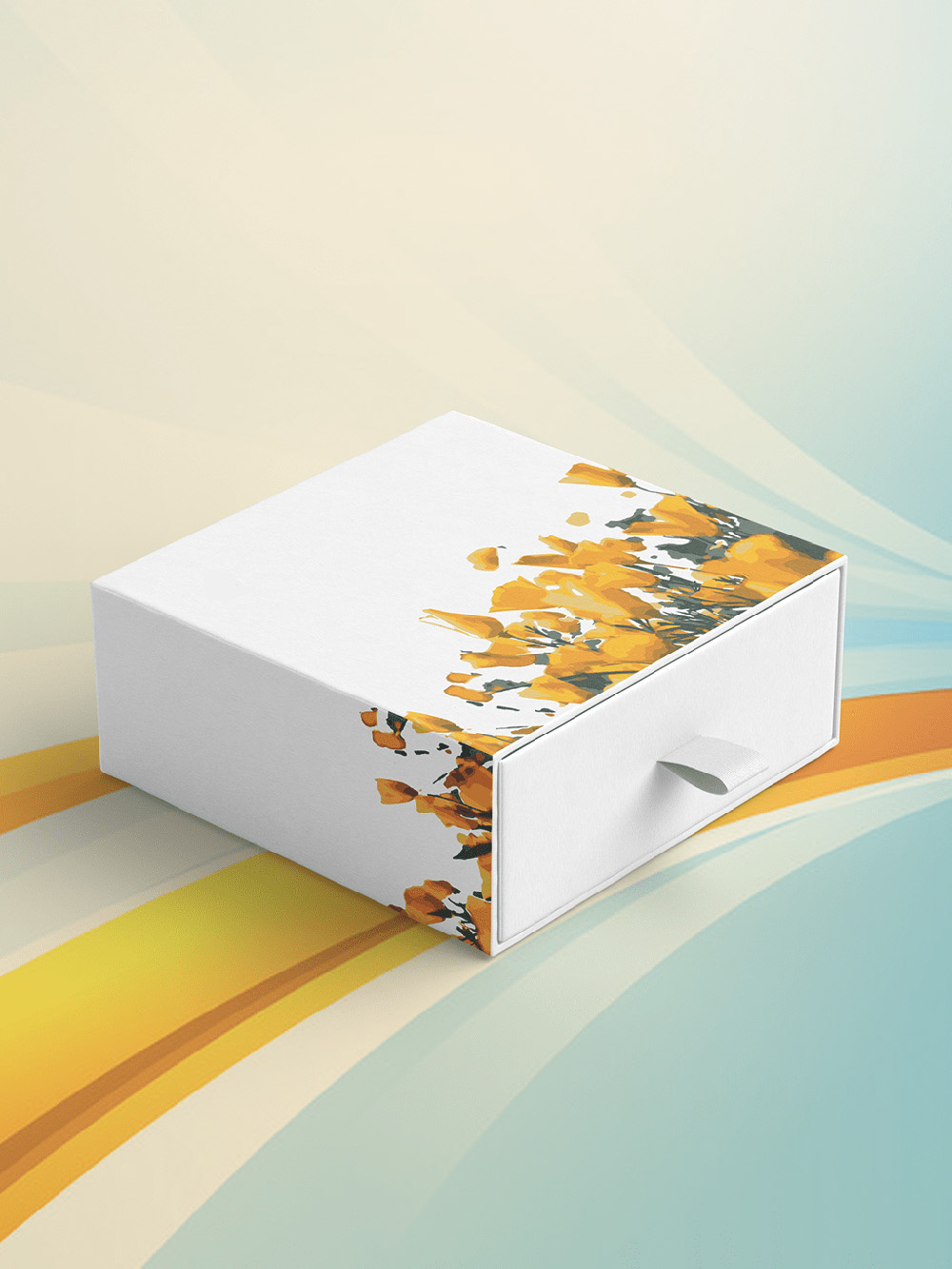
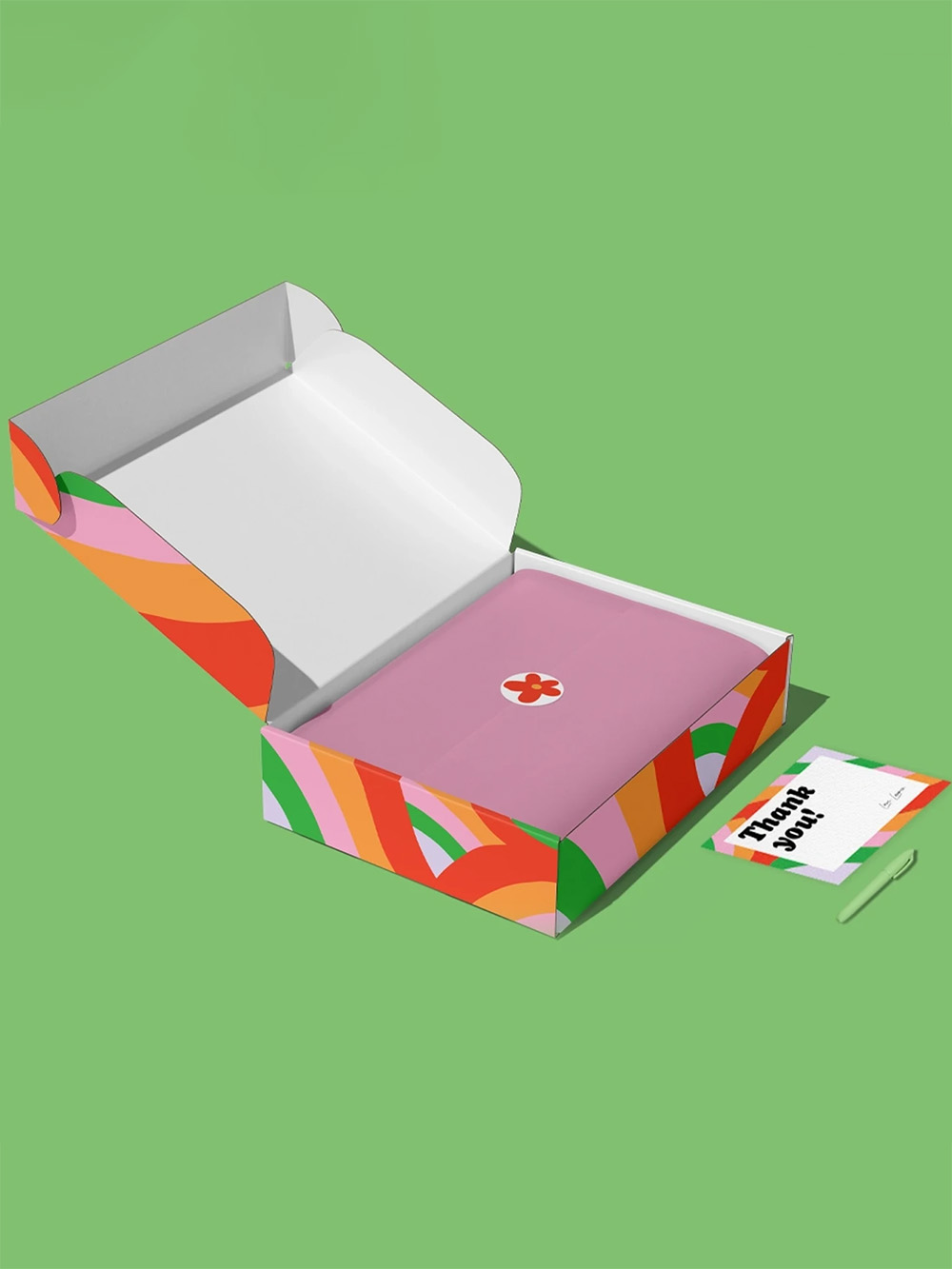
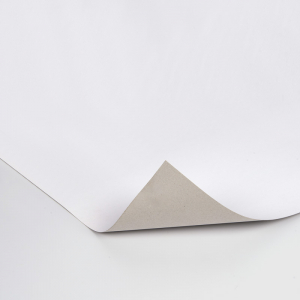
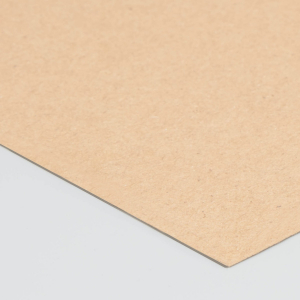
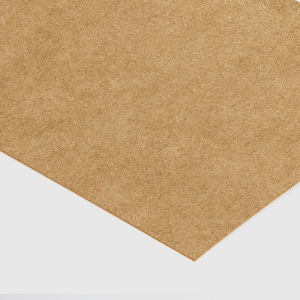
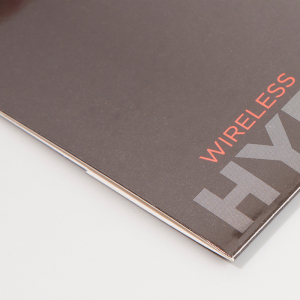
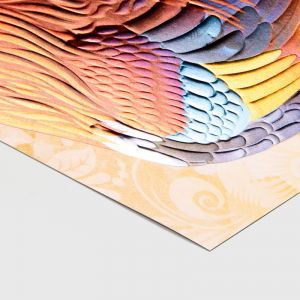
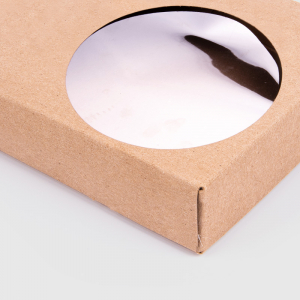
Cardboard (paperboard) is a single, dense sheet of compressed paper fiber – think cereal box or shoe box. It’s smooth, lightweight, and takes fine print detail well, which makes it the right call for retail-facing boxes where the graphics need to look sharp up close.
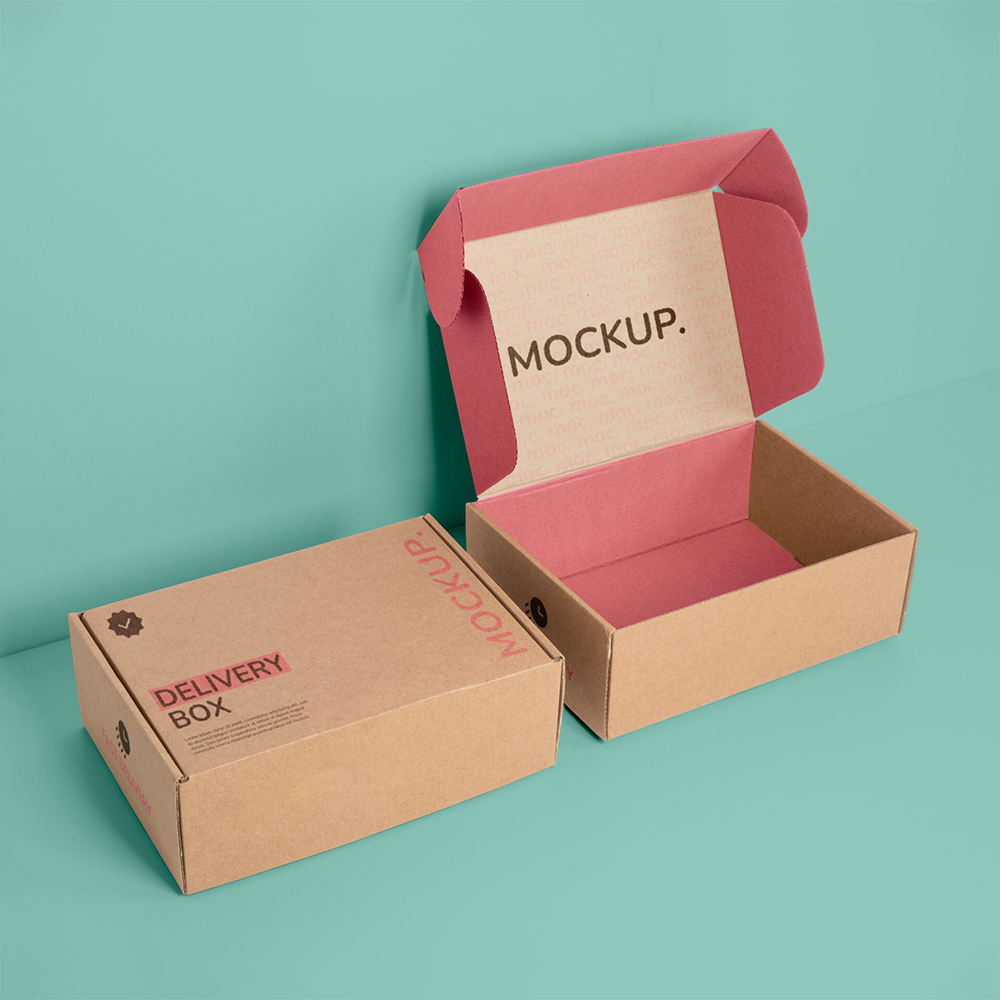
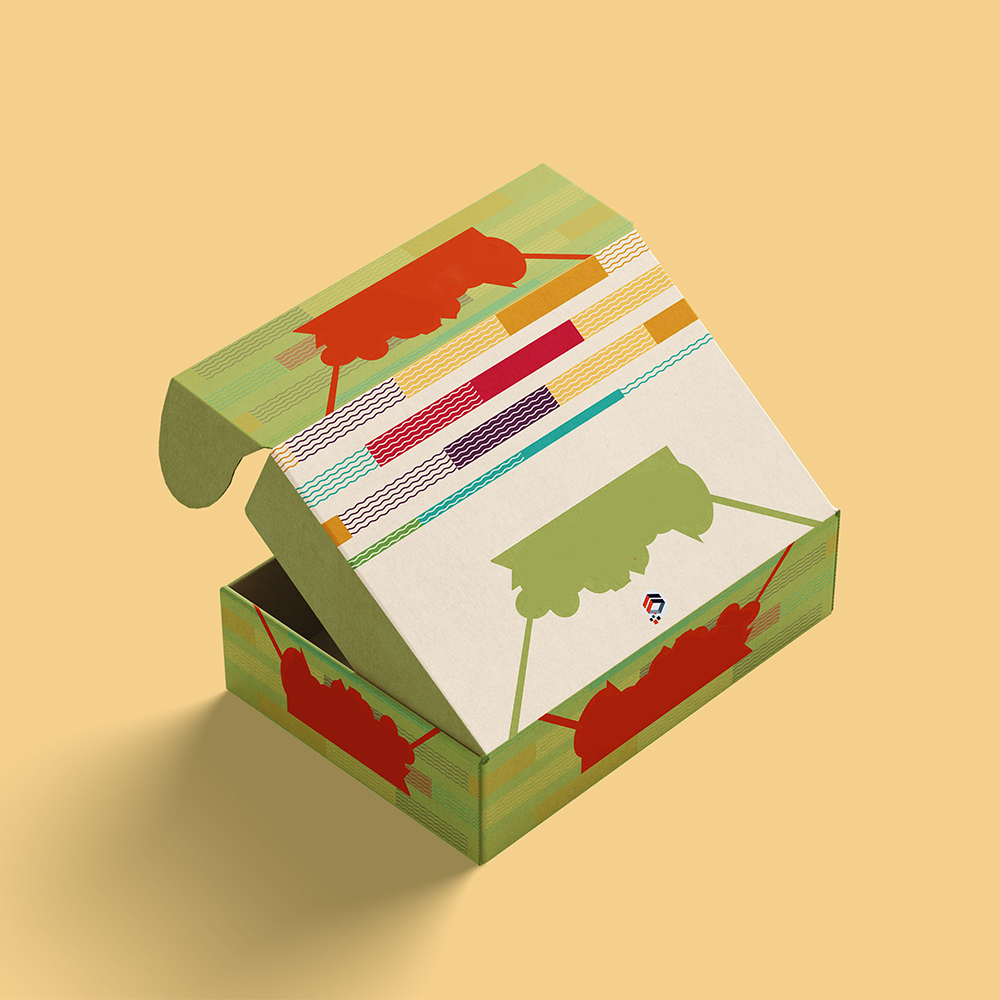
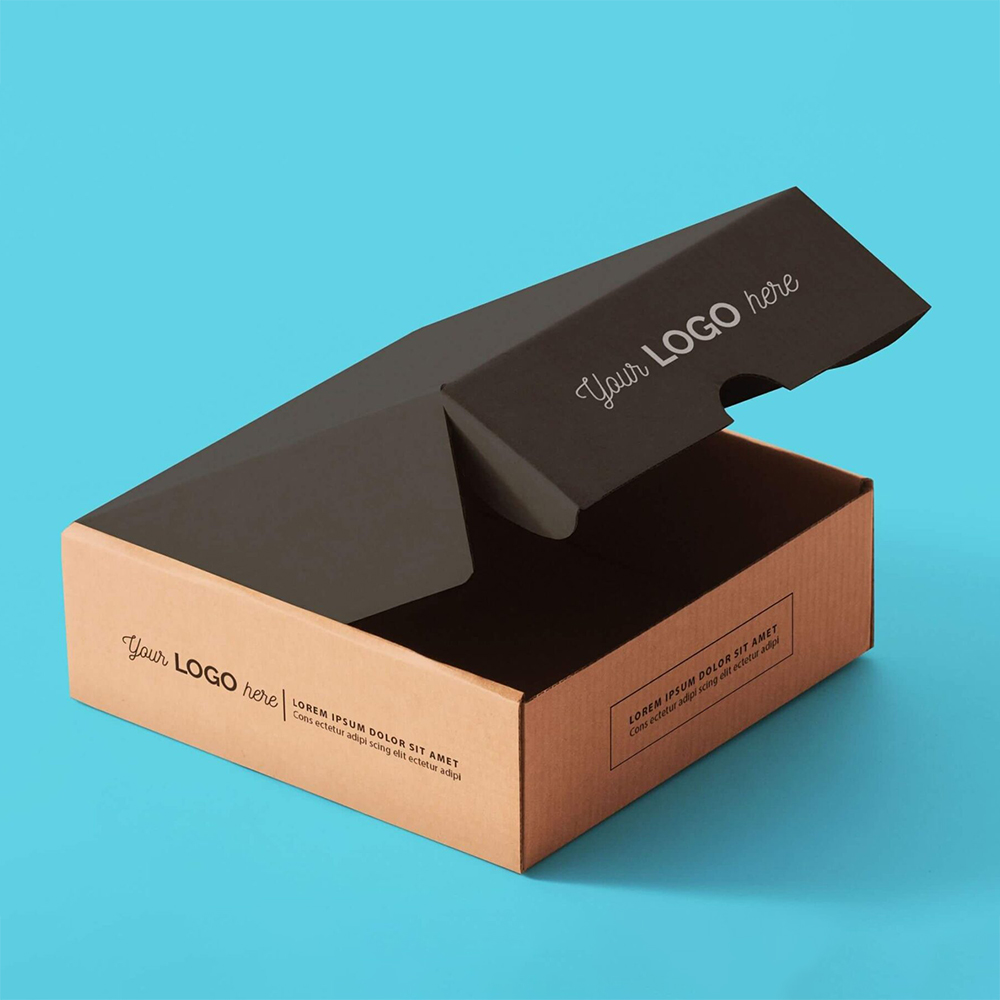
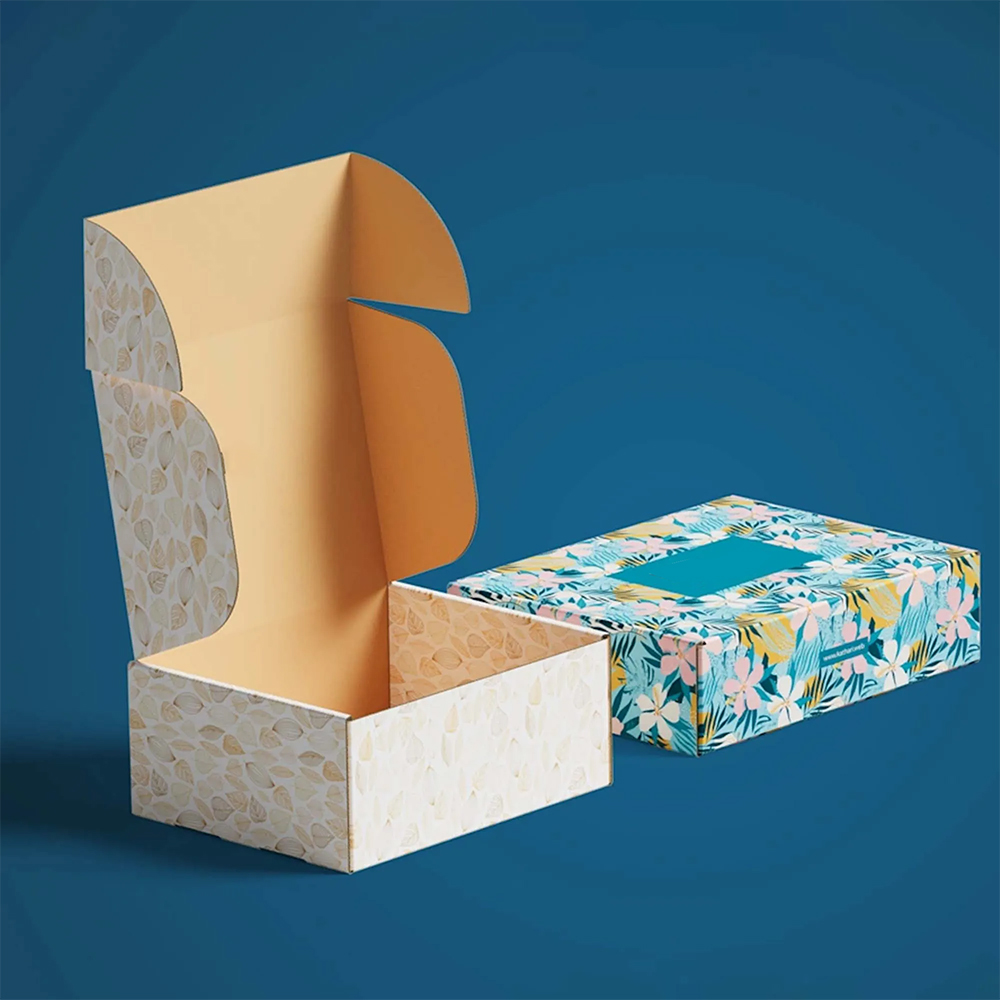
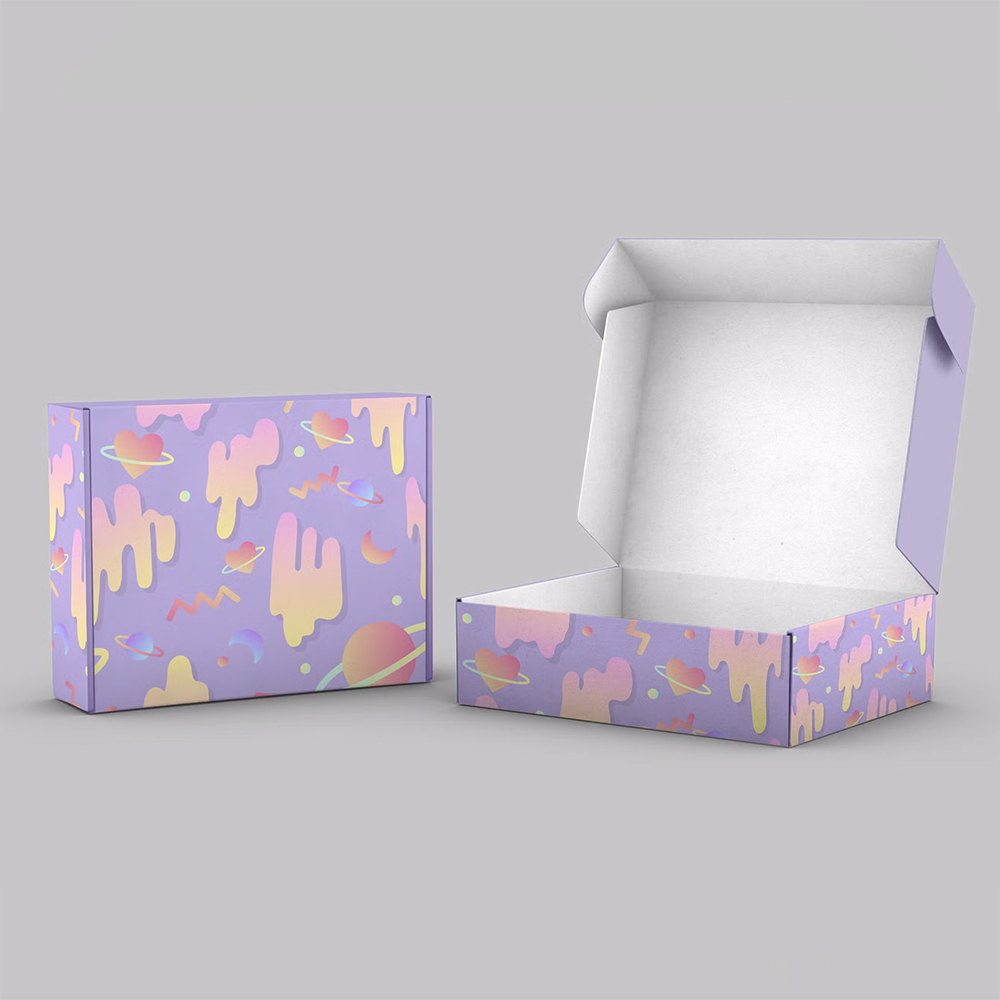
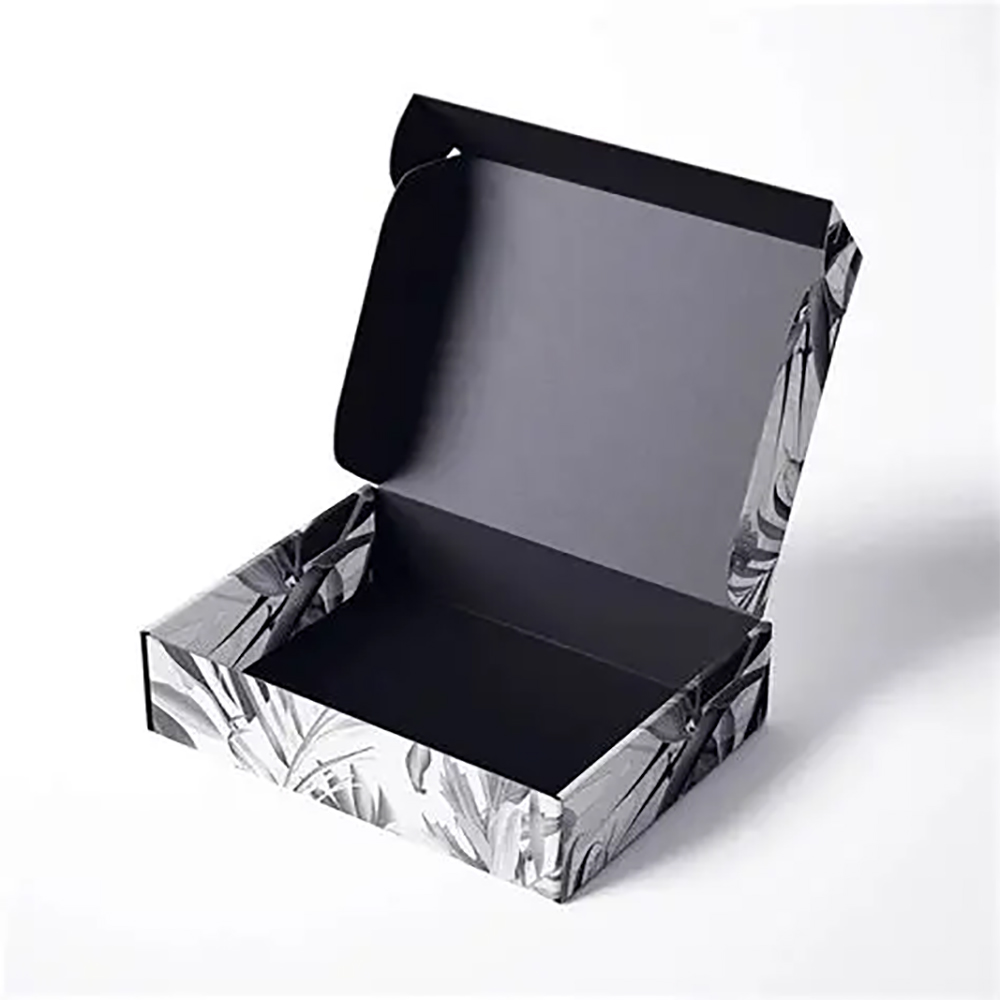
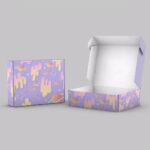
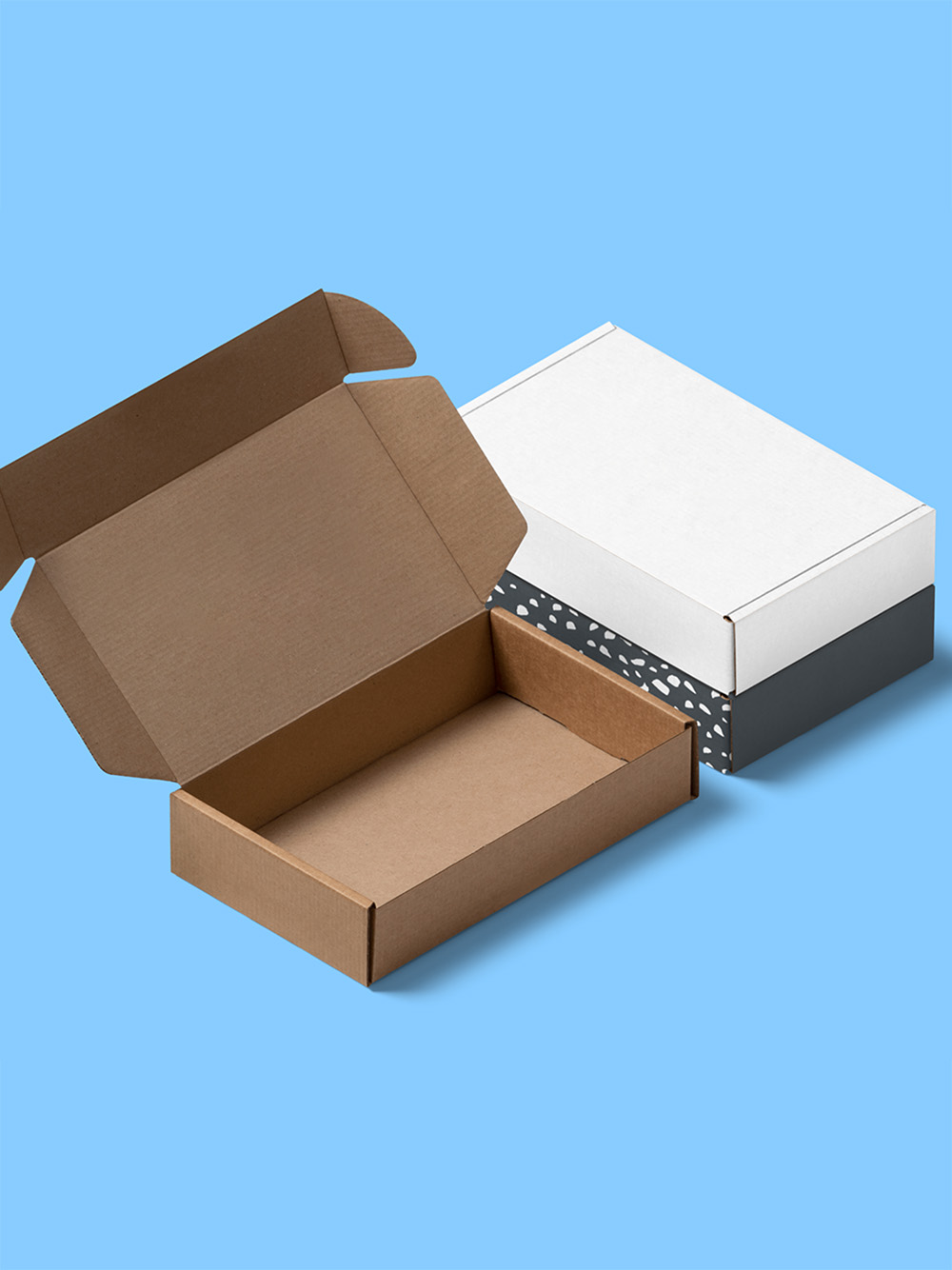
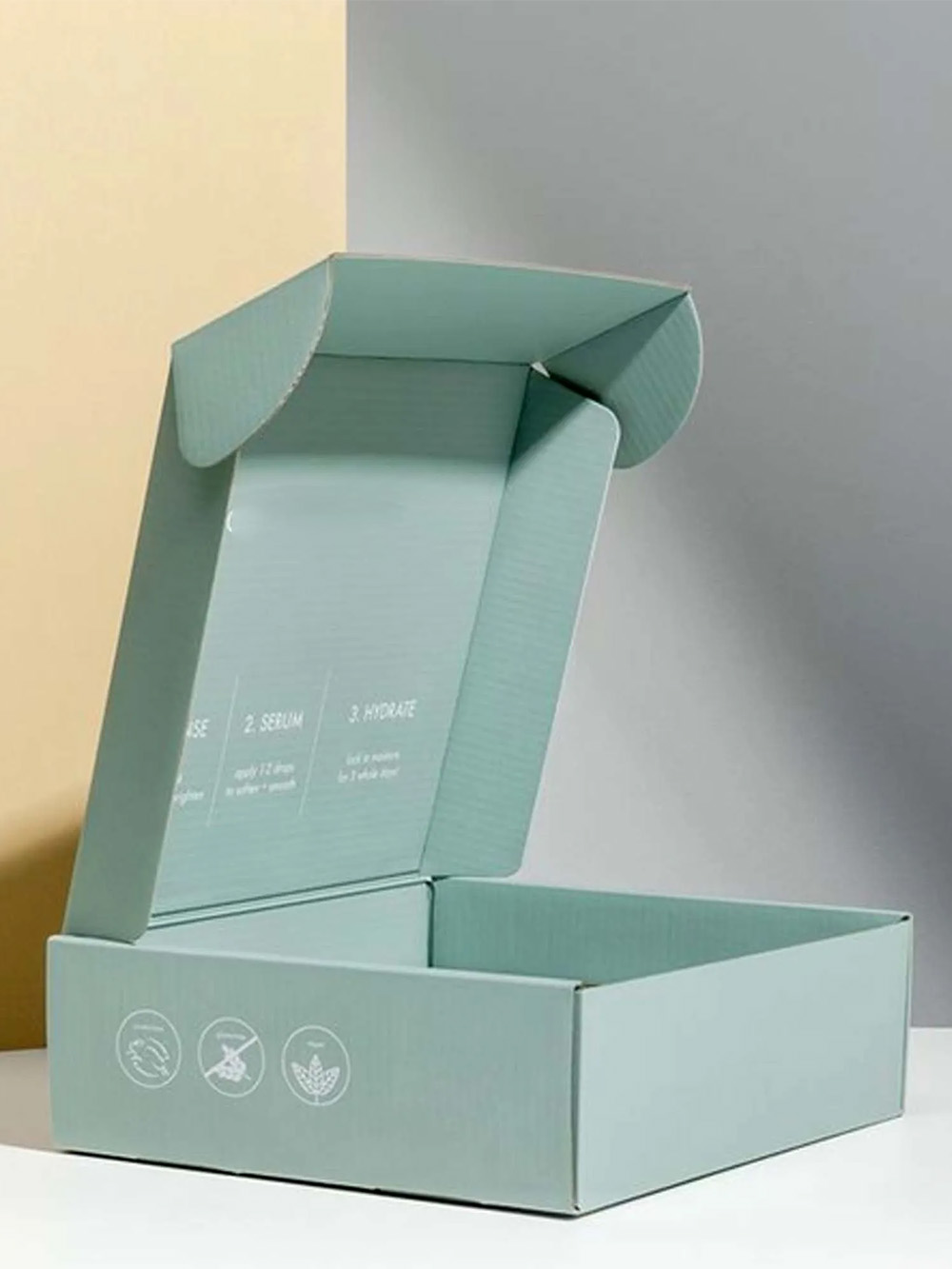
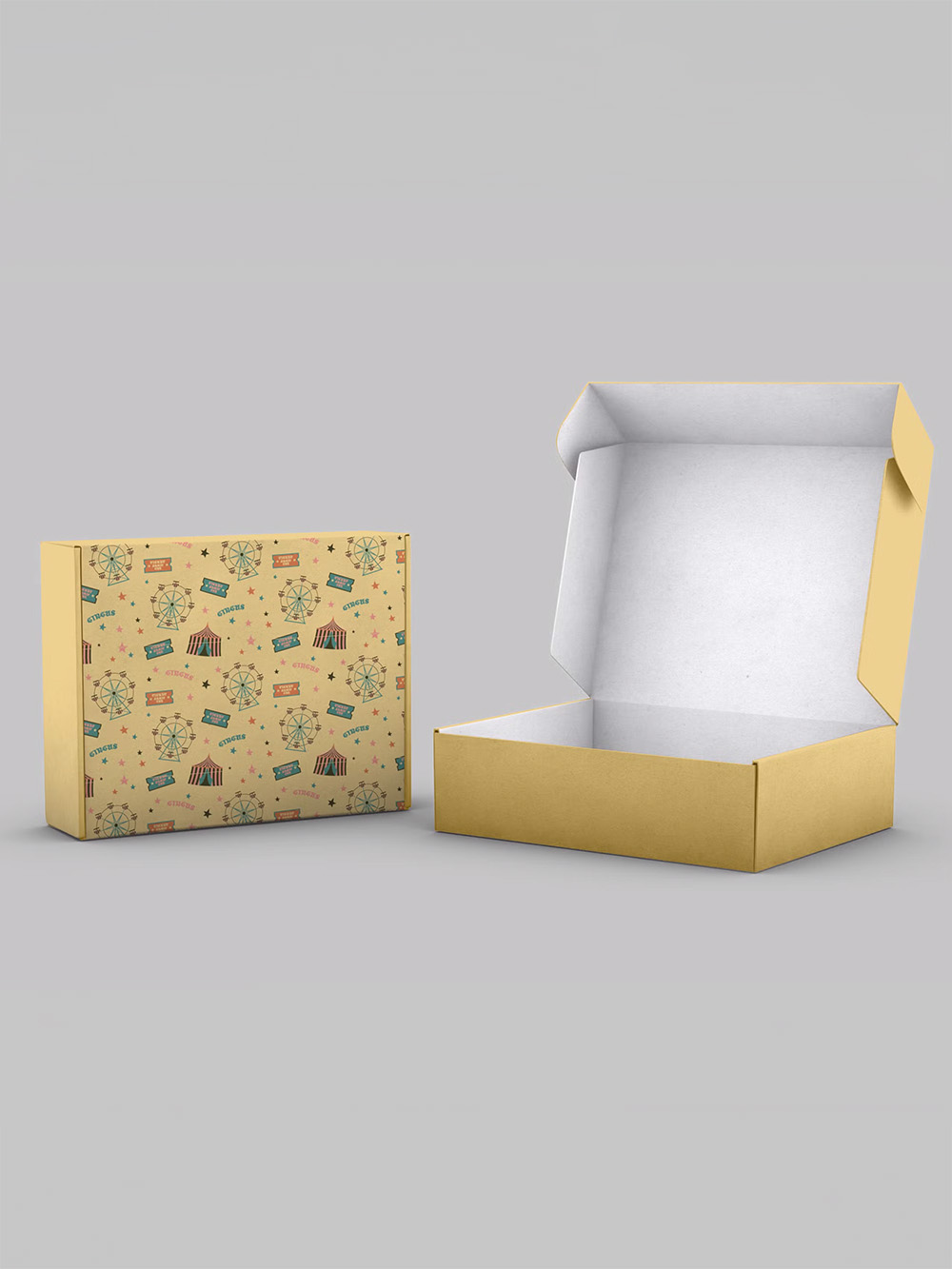
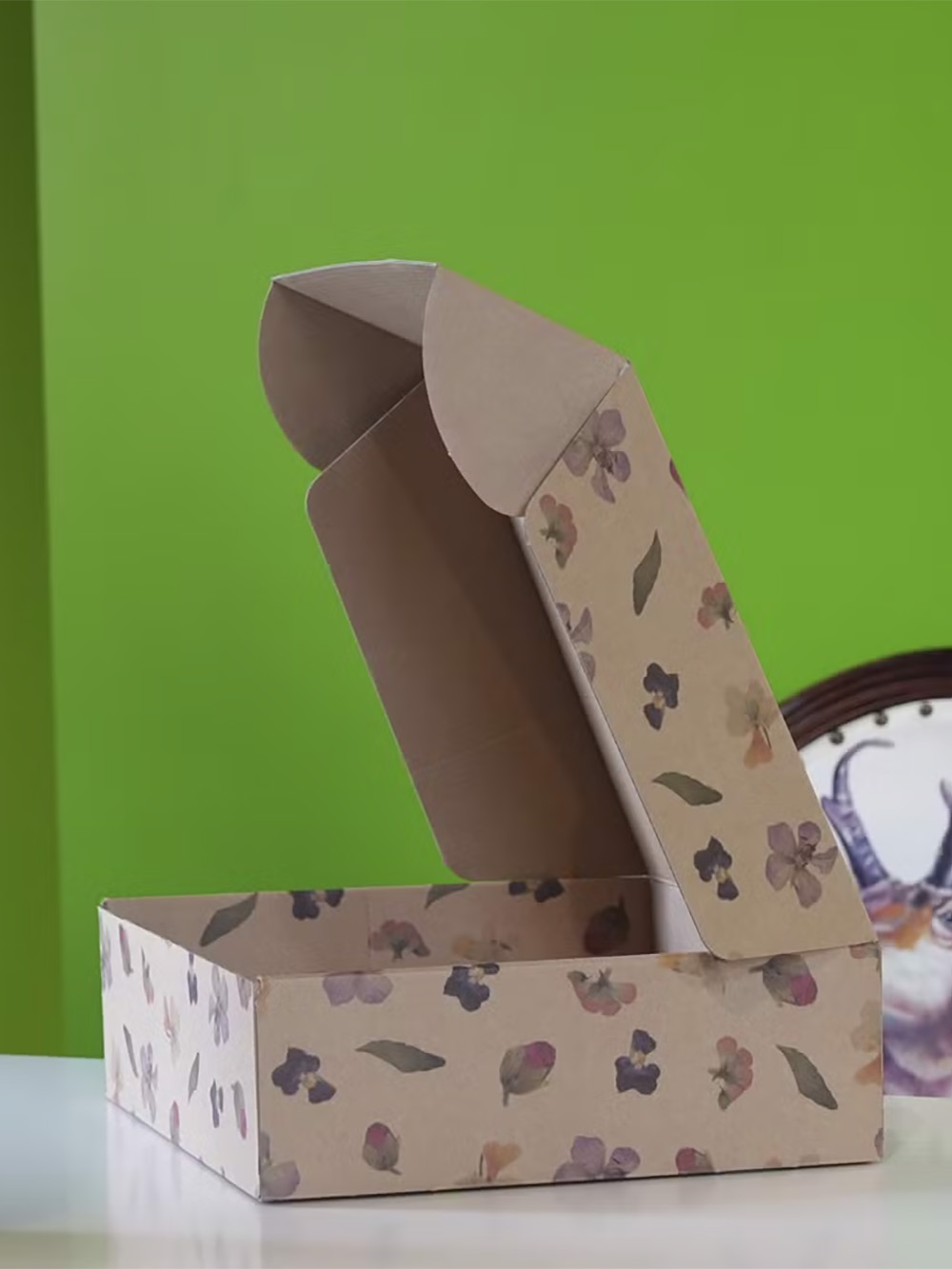
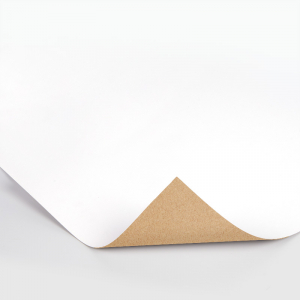
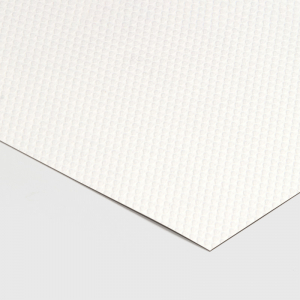
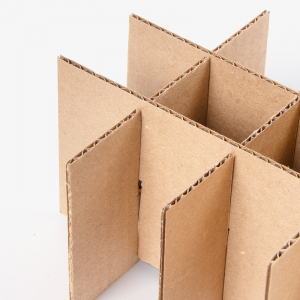
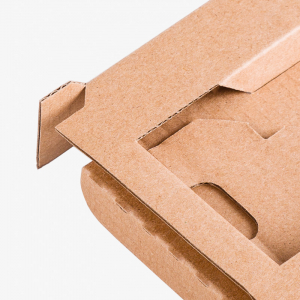
Corrugated board is three layers – two flat liners with a fluted (wavy) layer glued between them. That flute is what gives it crush resistance, so it’s the standard choice for shipping boxes, heavier products, and anything traveling through a courier network. The tradeoff is that fine print detail can show slight texture from the flute underneath, especially with lighter fluting.
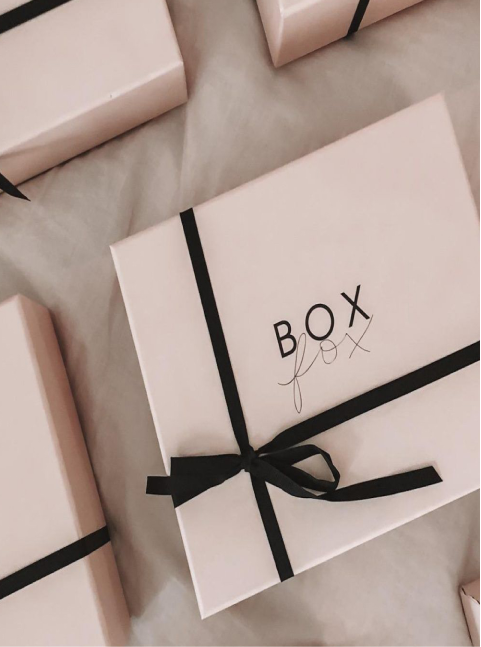
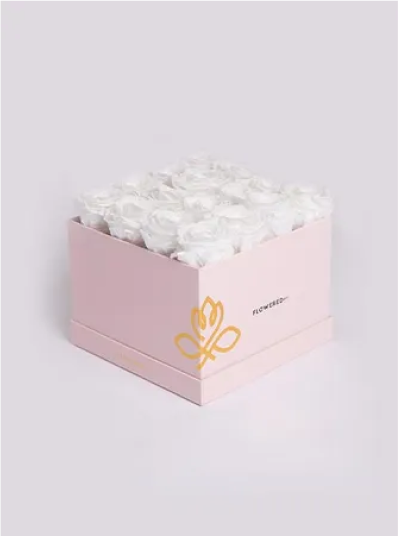
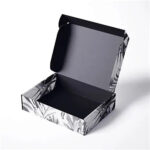
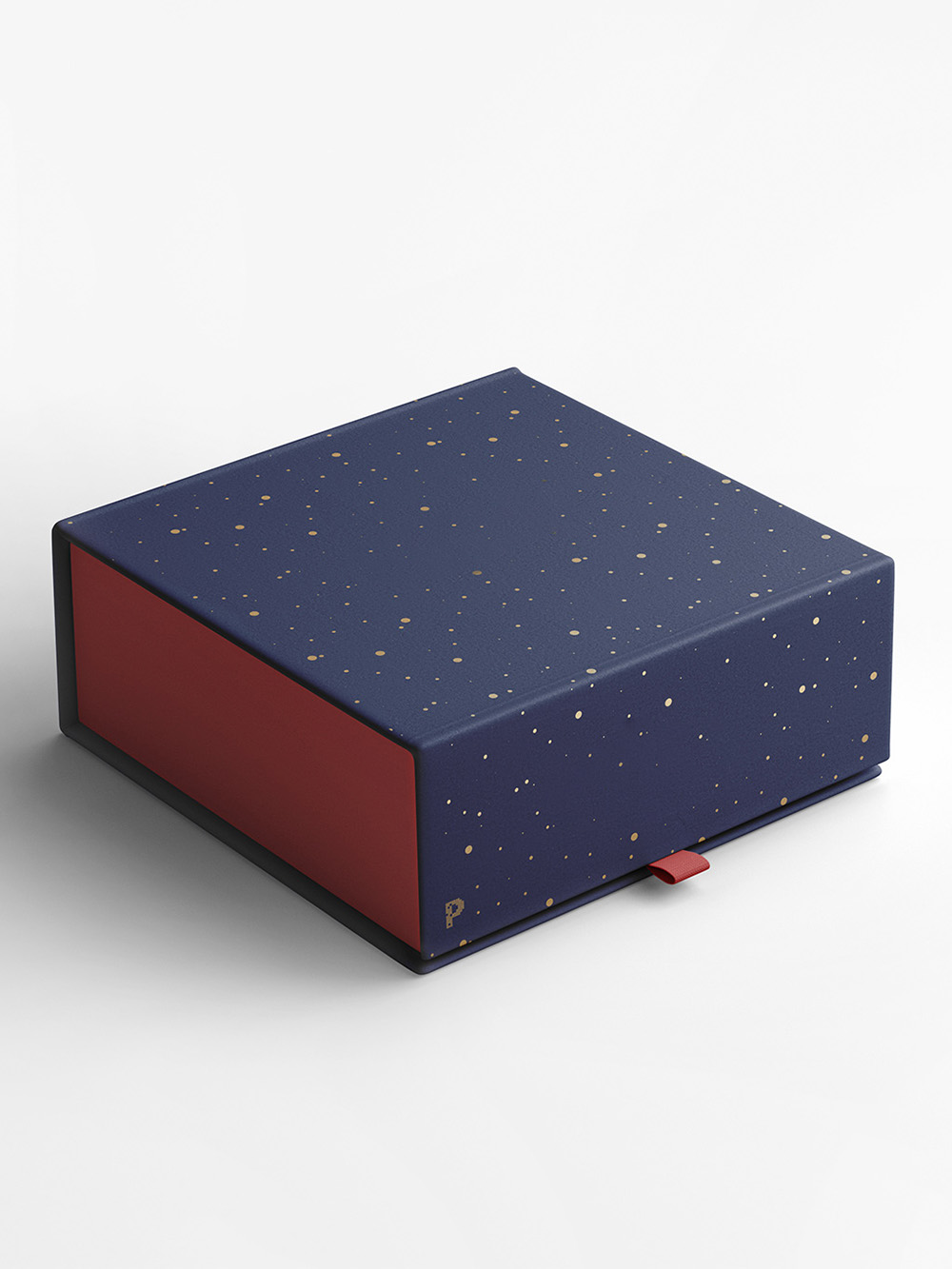
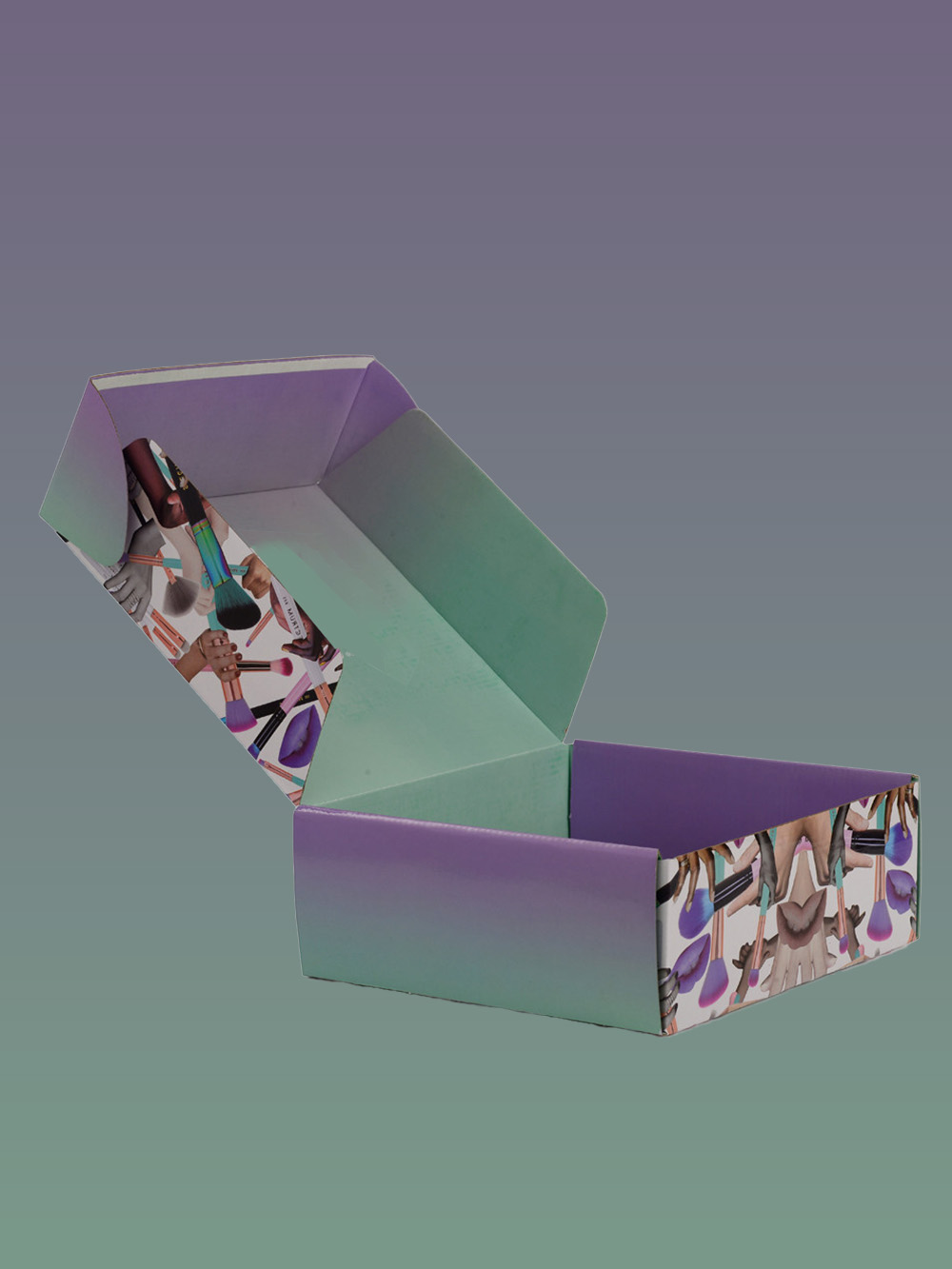
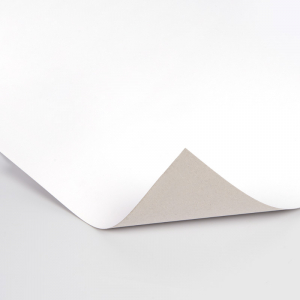
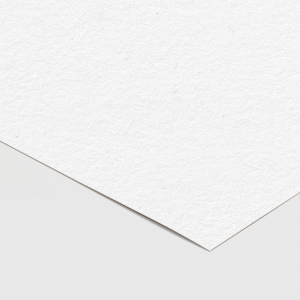
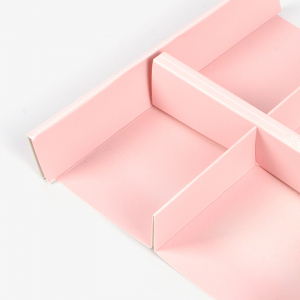
Carton board usually refers to folding carton stock – thinner than rigid cardboard, designed to fold and glue into shape rather than being die-cut from a single sheet, common in cosmetics and small retail cardboard packaging.
Which One Should You Actually Order?
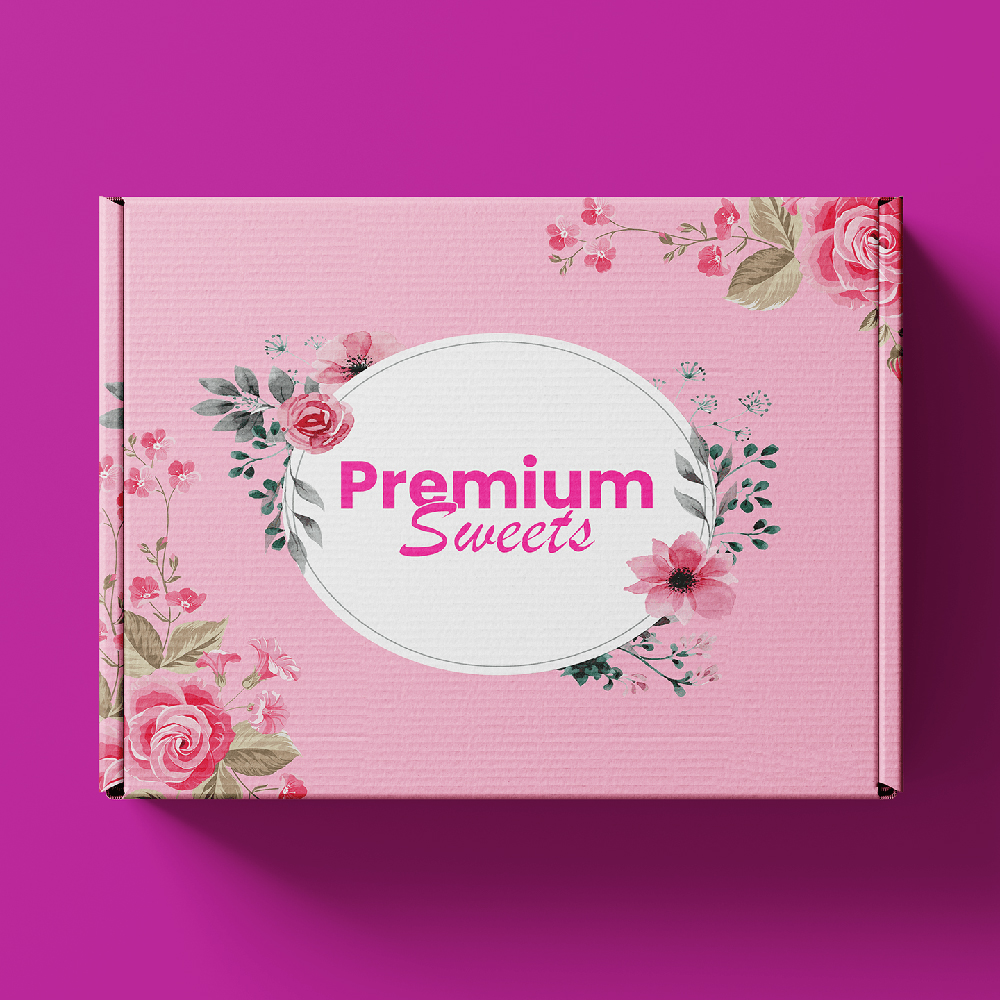
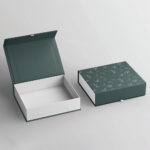
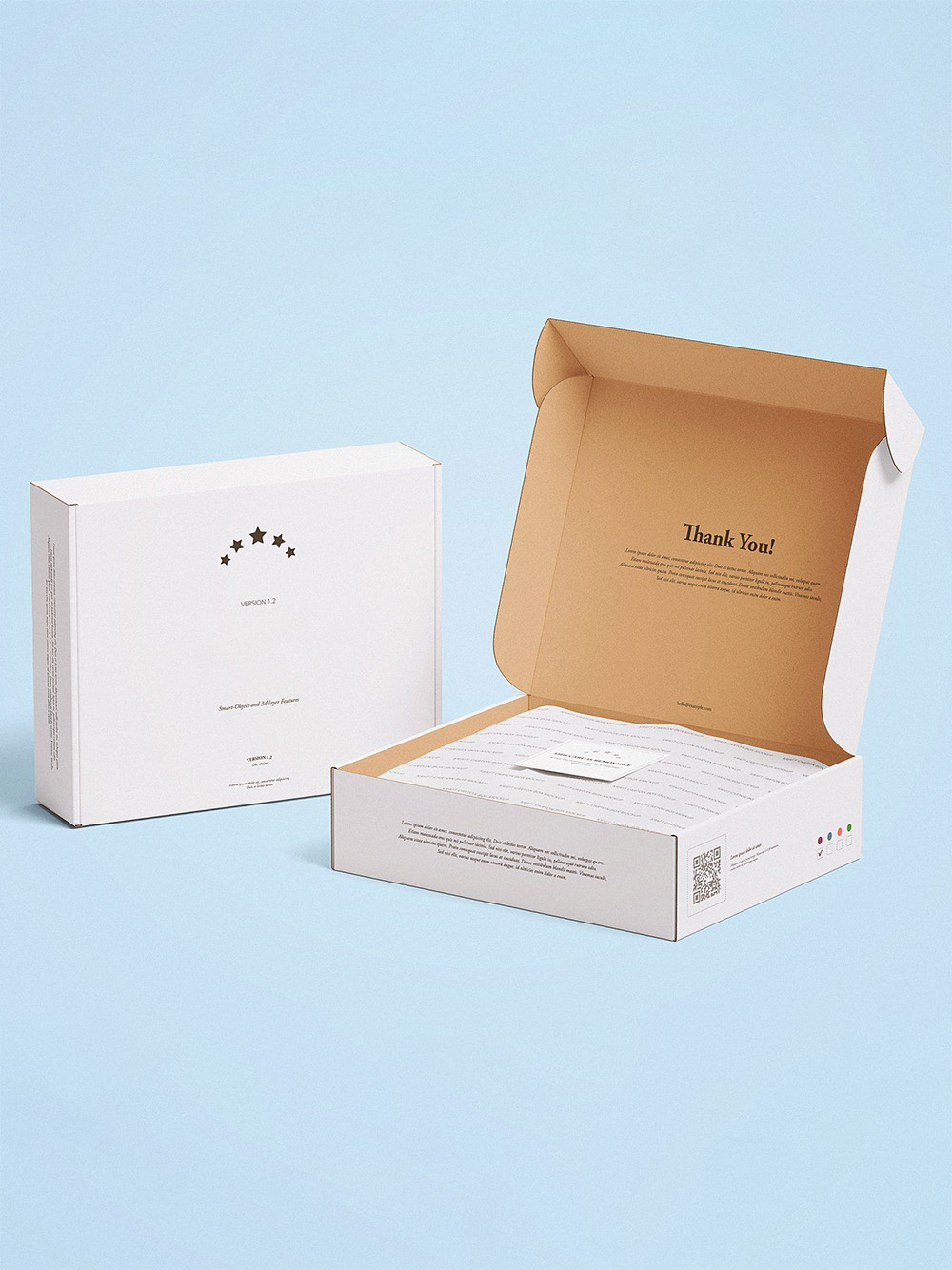
If your product is shipping directly to a customer’s door, go corrugated. If it’s a retail-shelf box, gift box, or bakery box that people see up close before opening, cardboard or carton stock will print cleaner. We ask this question first on every quote call because it changes the price, the tooling, and sometimes the printing method available to you.
How Much Do Custom Cardboard Printed Boxes Cost, and What’s the Minimum Order?
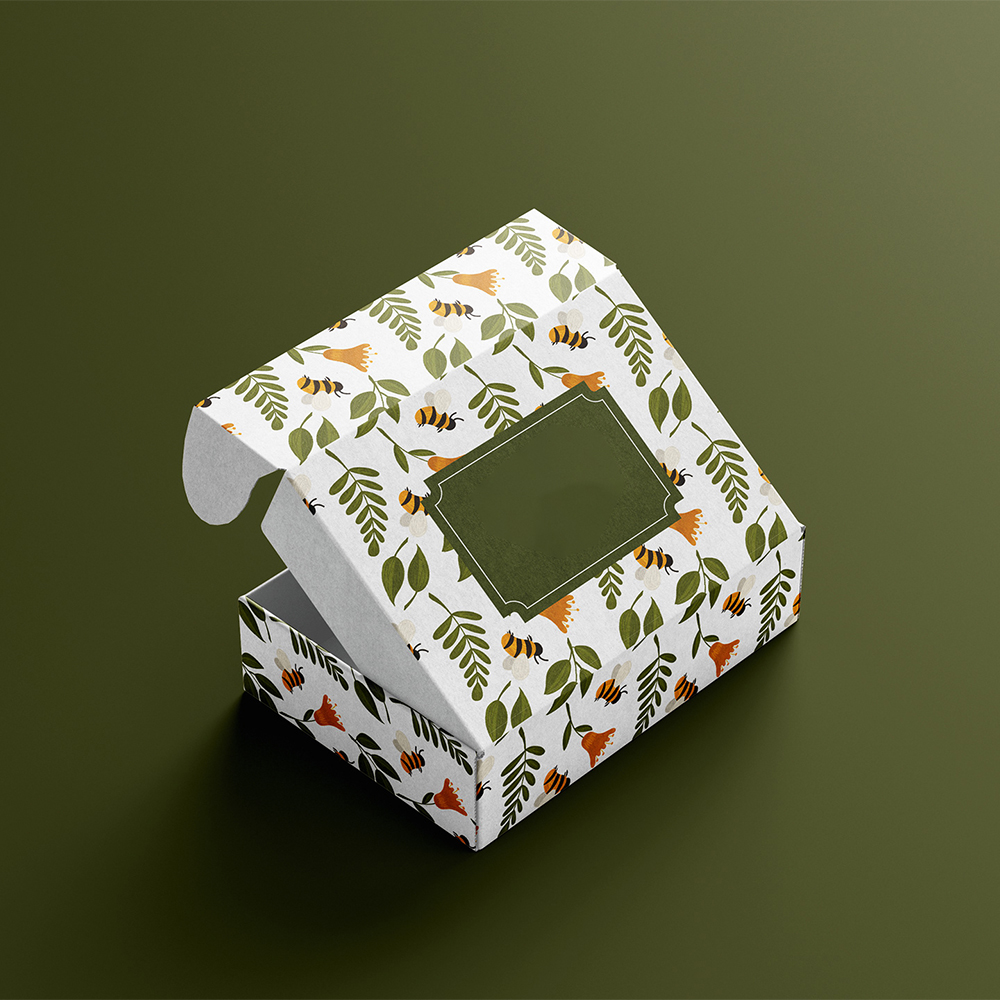
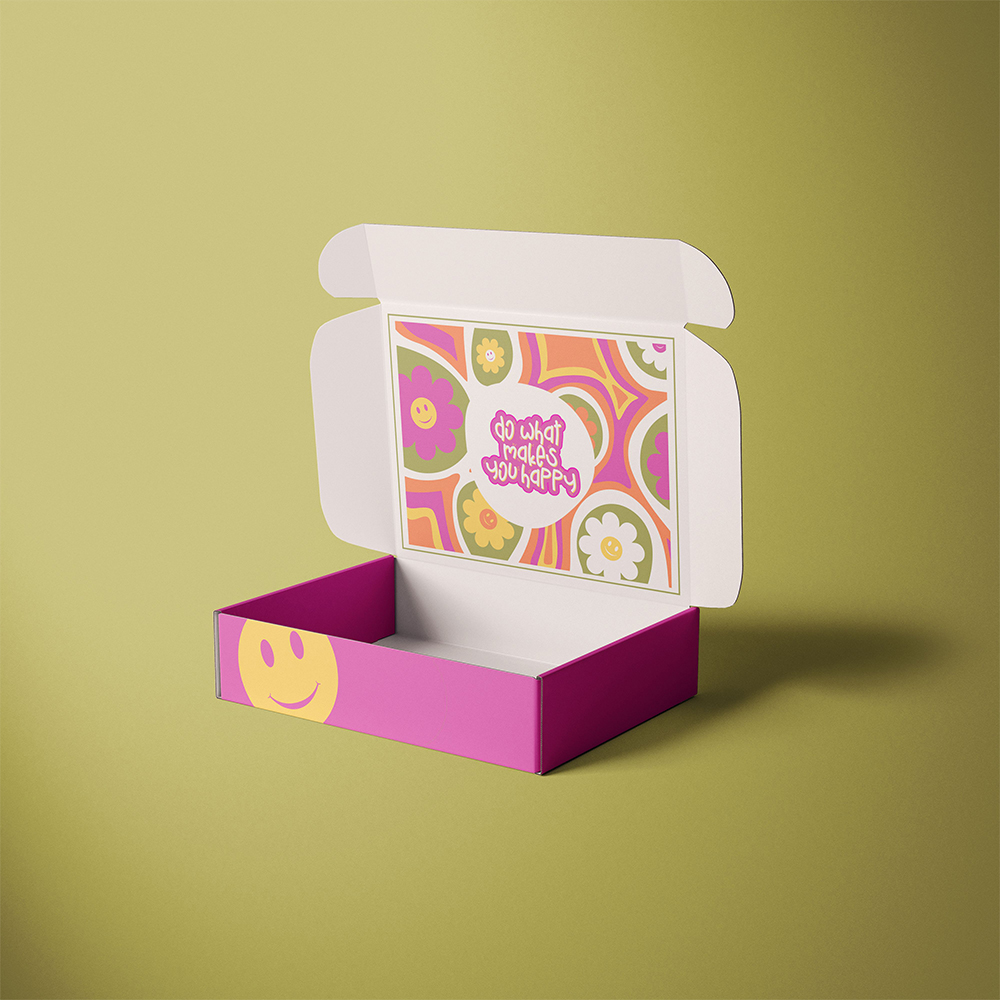
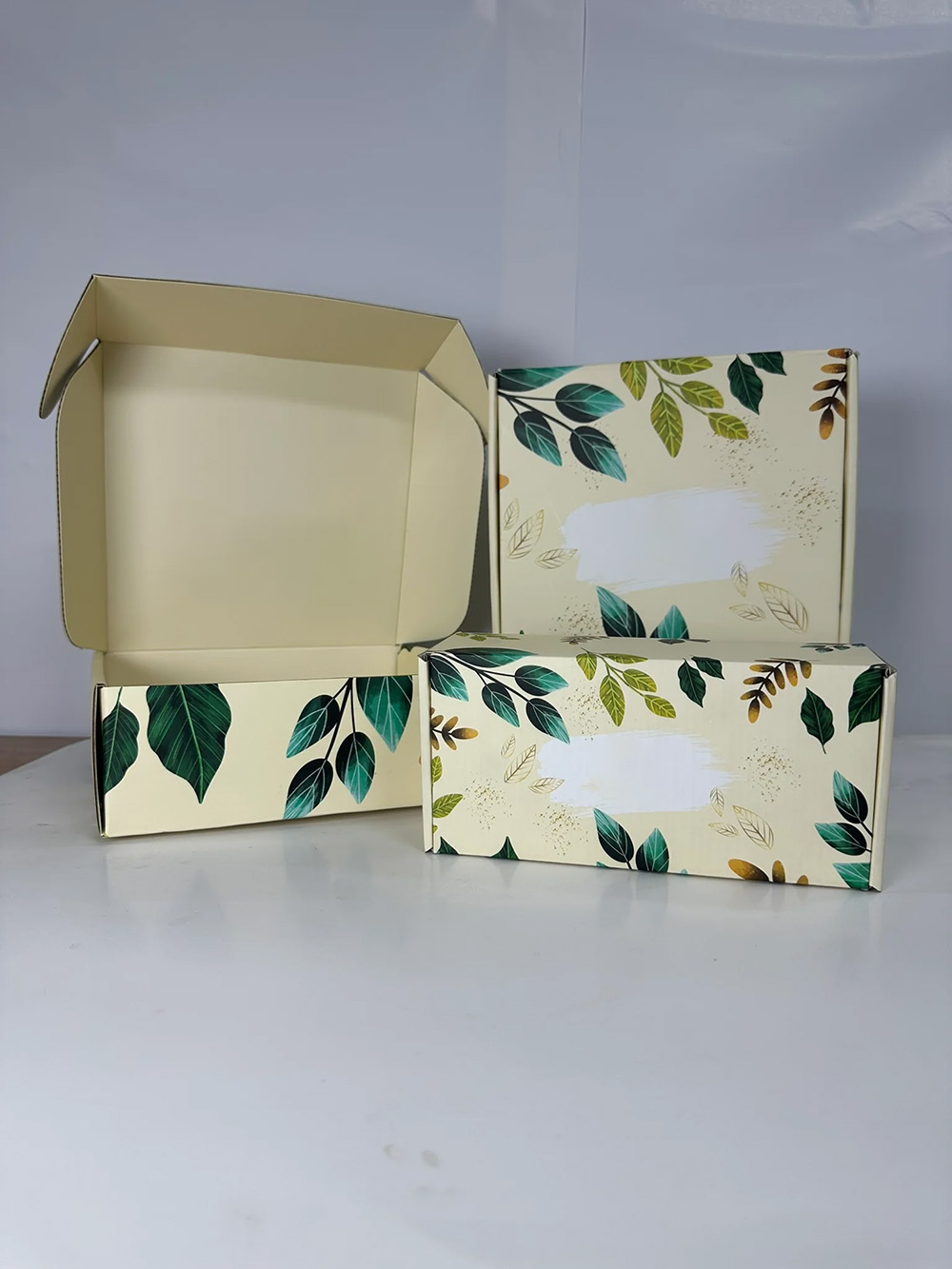
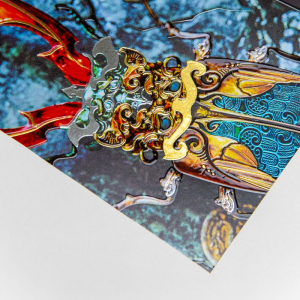
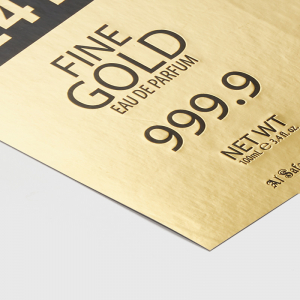
This is the question every buyer actually wants answered before anything else, so we’ll give it to you straight: cost comes down to four things – board type, box size, print complexity (how many colors, full coverage vs. logo-only), and order volume. A single-color logo on a standard-size box in bulk will always cost less per unit than full-color edge-to-edge printing on a custom die-cut shape in a short run.
Our minimum order for custom cardboard printed boxes is 100 units, with per-unit pricing dropping at 0.69, and 0.68 unit breakpoints. If you’re a small or home-based business that only needs 100–200 boxes to start, say so upfront – some suppliers quietly assume you’re ordering thousands, and you’ll waste time getting quotes built for the wrong volume.
Digital vs. Offset Printing for Small Orders
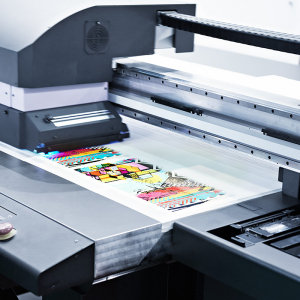
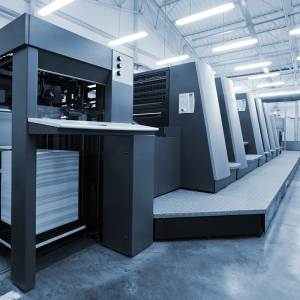
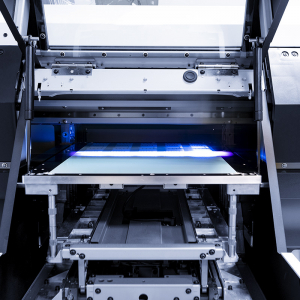
Short runs (under roughly 1,000 units) are almost always cheaper on digital printing, because there’s no printing plate to set up. Offset printing gets more cost-effective at higher volumes and gives slightly more precise color matching for large, uniform runs. We’ll tell you plainly which one fits your order size instead of upselling you into the wrong process.
Get Custom Quote