What's Actually the Difference Between Retail Cardboard Boxes and a Shipping Box?
This is the question almost nobody answers clearly, and it’s the reason so many retail buyers end up with the wrong box on their first order.
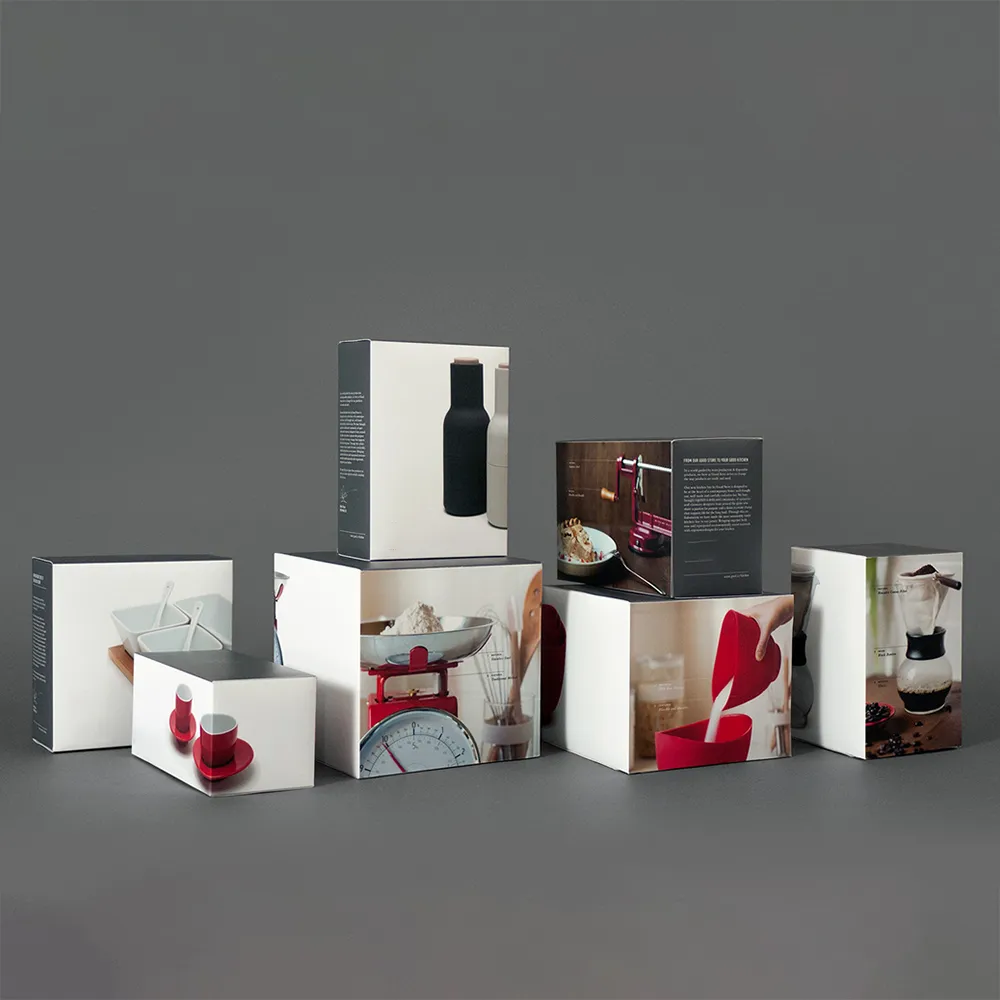
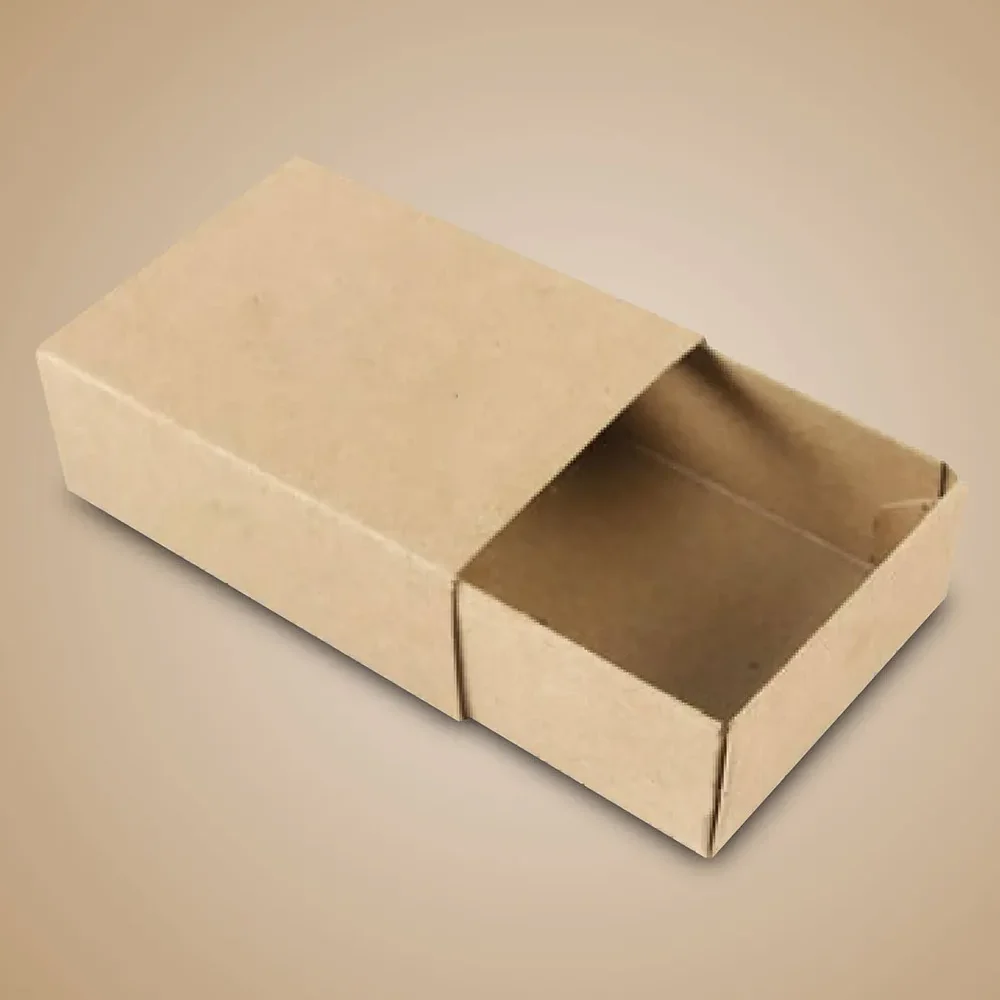
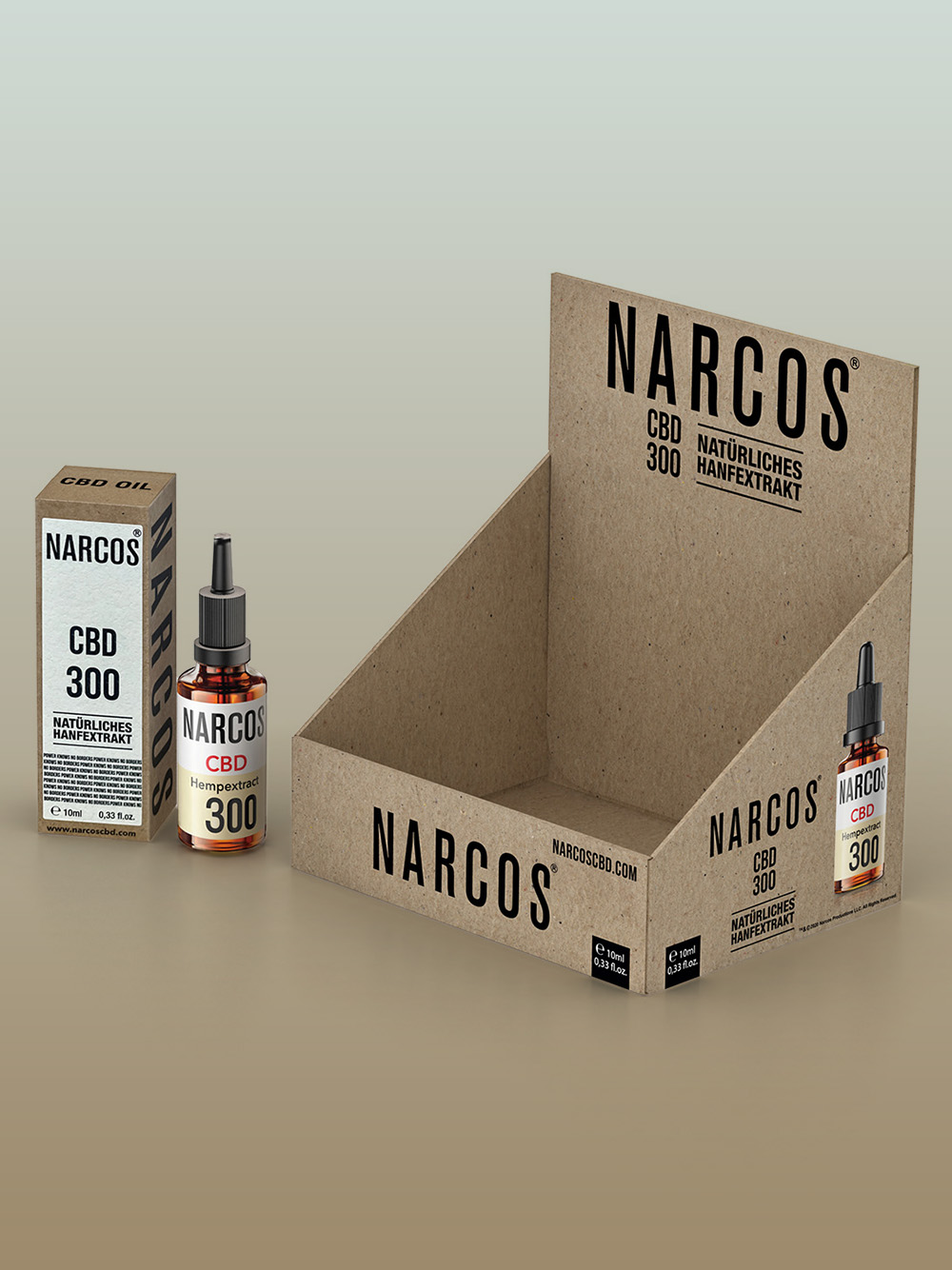
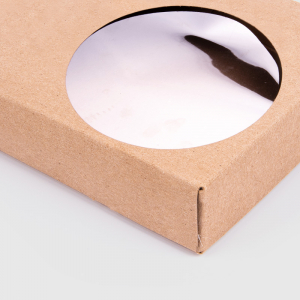
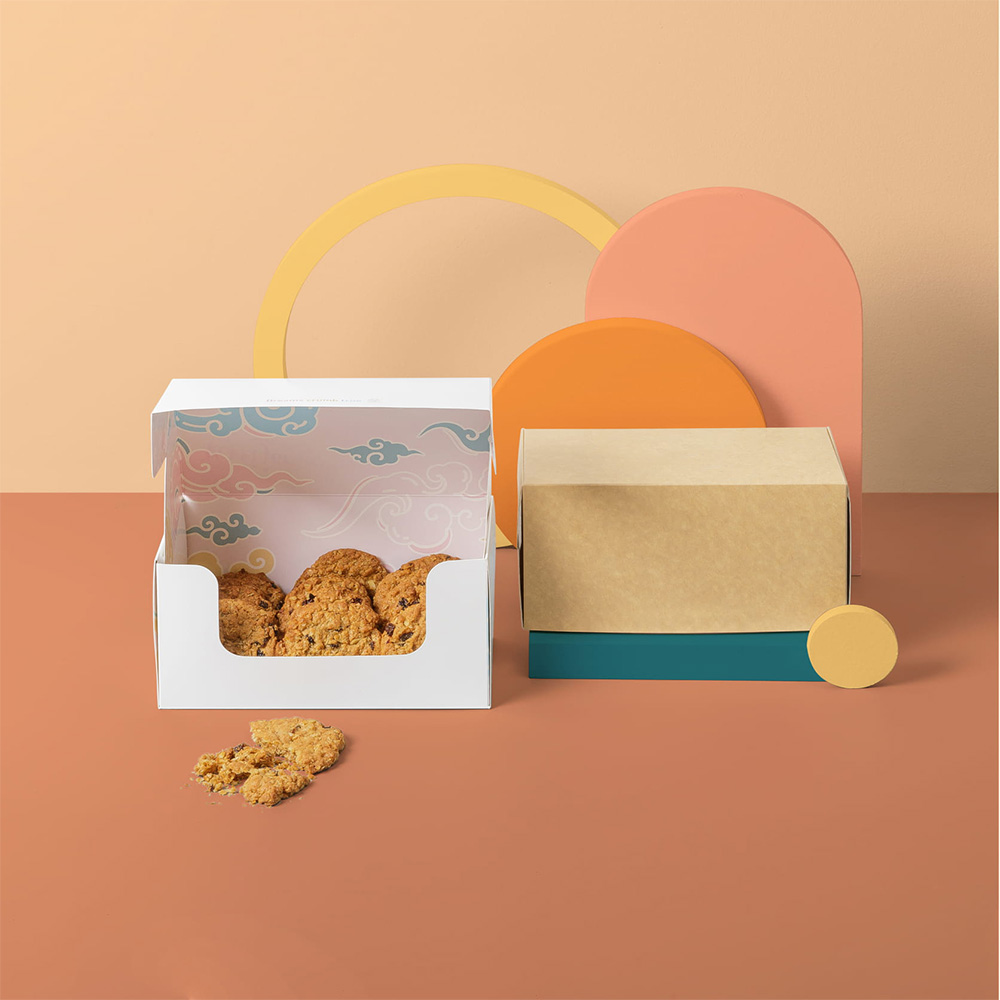
A retail display box is built to be seen. It’s the box your product sits in on a shelf, in a display, or in a subscription unboxing – construction and print quality matter as much as strength, because a customer is looking directly at it. A shipping box is built to survive a truck, a conveyor belt, and a delivery driver – it prioritizes crush resistance over appearance, and it’s rarely meant to be seen by the end customer at all.
Retail cardboard boxes generally come in three constructions, and which one you need depends entirely on the product going inside:
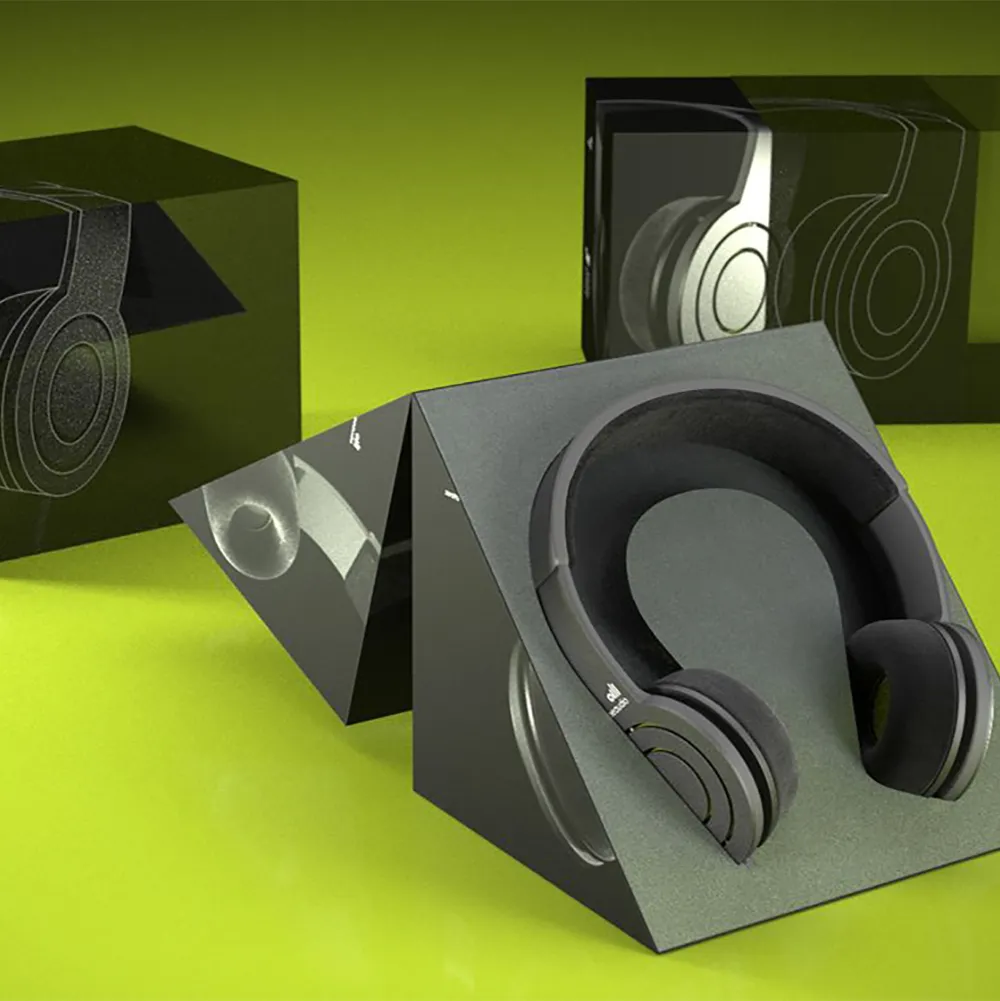
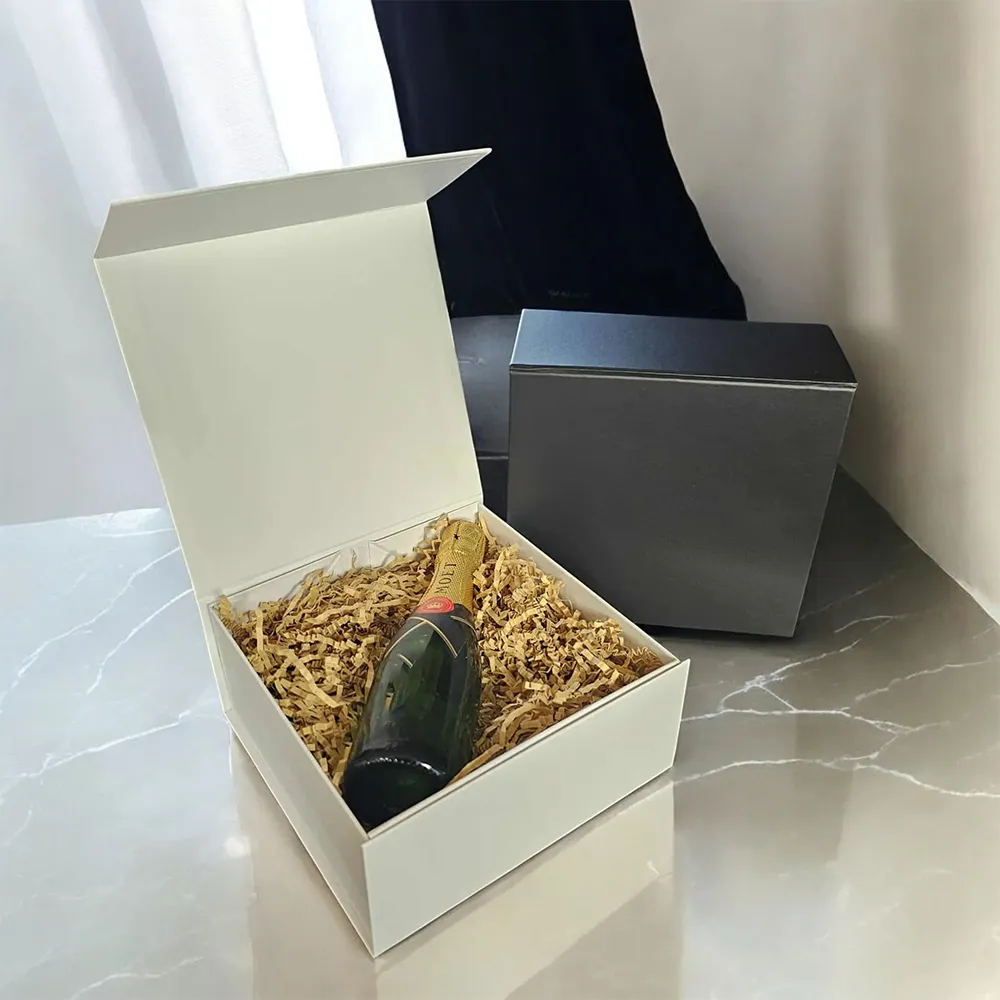
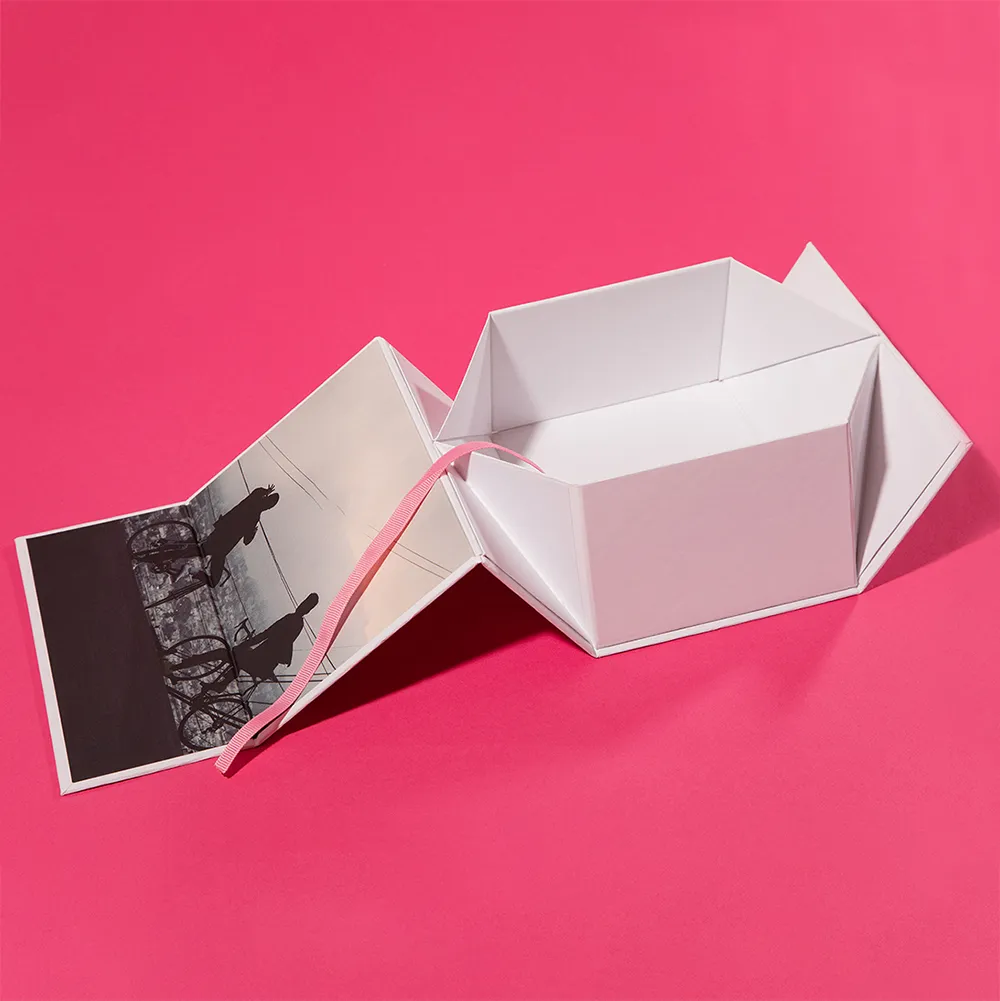
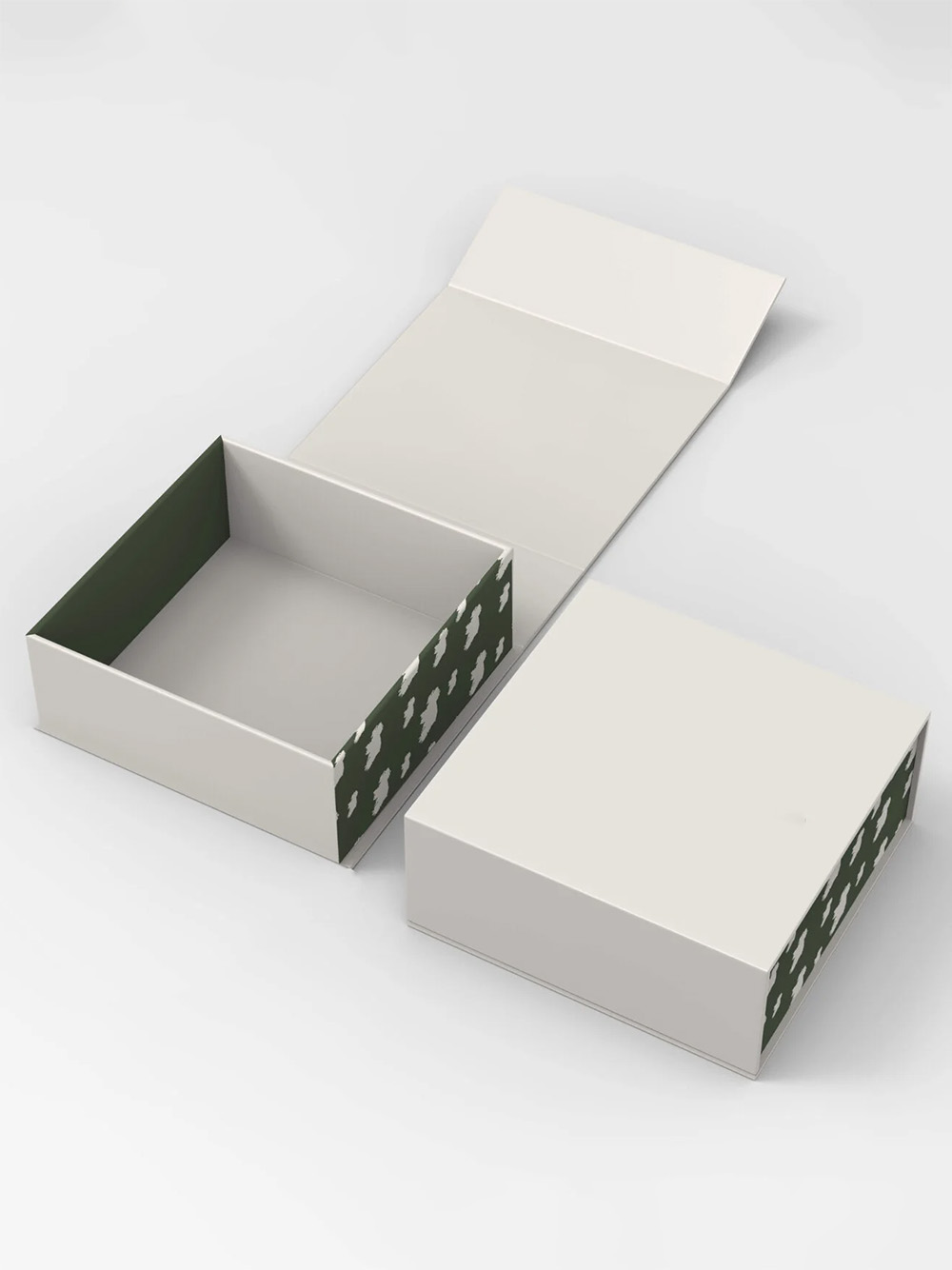
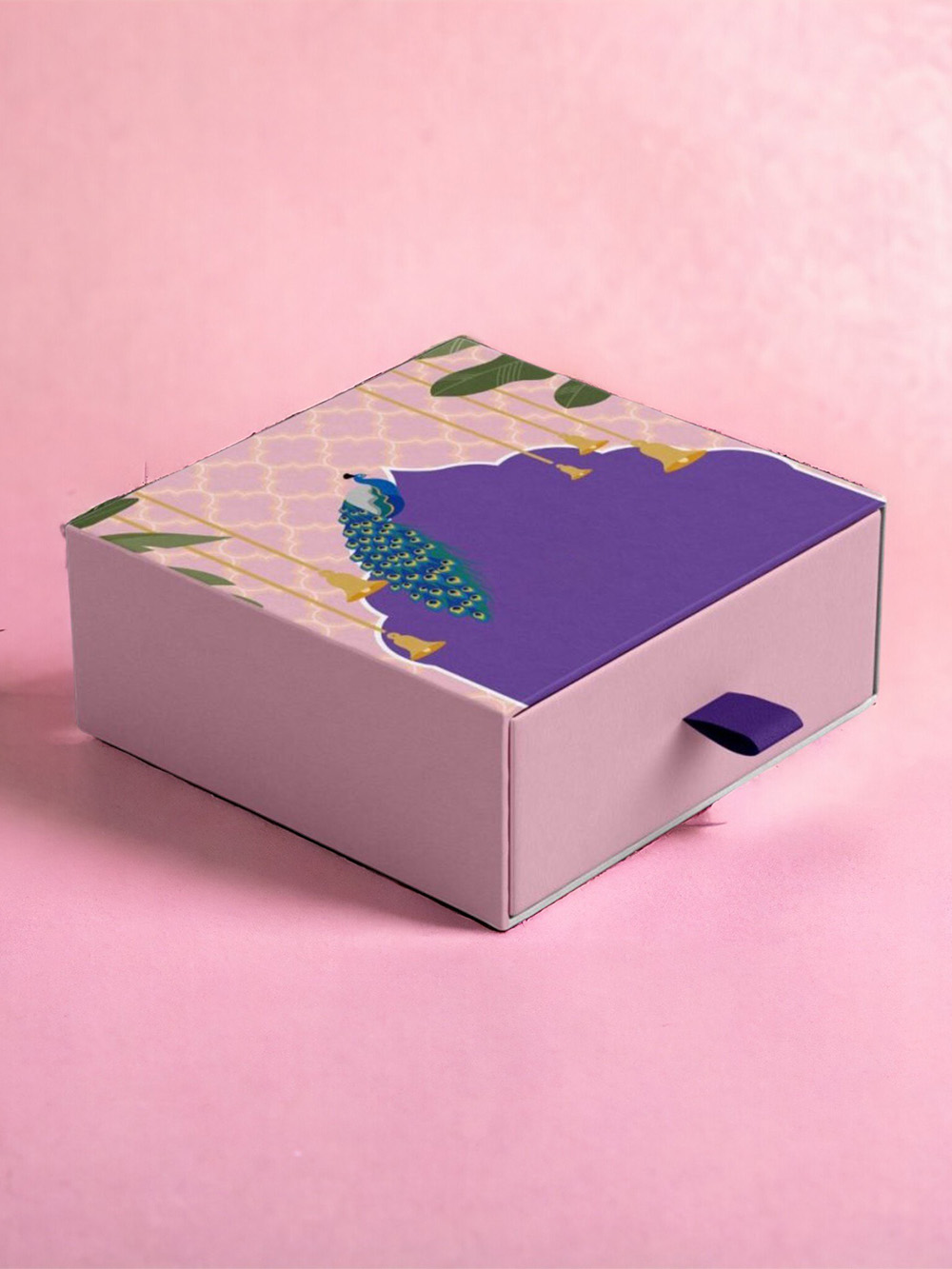
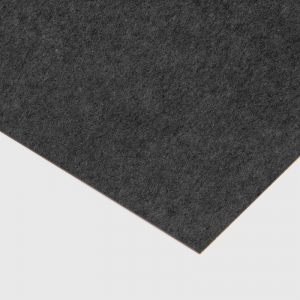
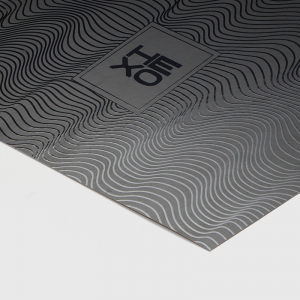
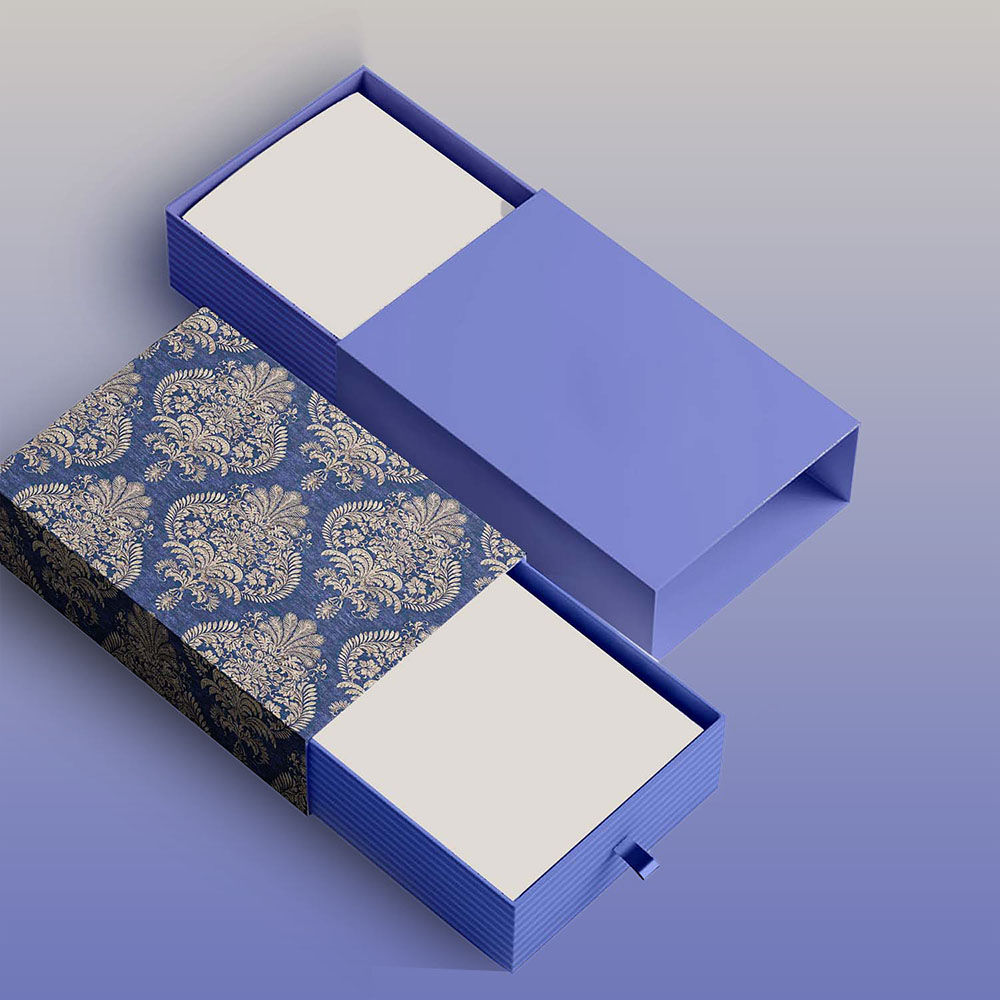
Rigid cardboard (also called setup boxes) – a thick, non-folding board, often wrapped or laminated, used for premium retail presentation like electronics, cosmetics, or gift sets. Strongest visual impact, highest cost per unit.
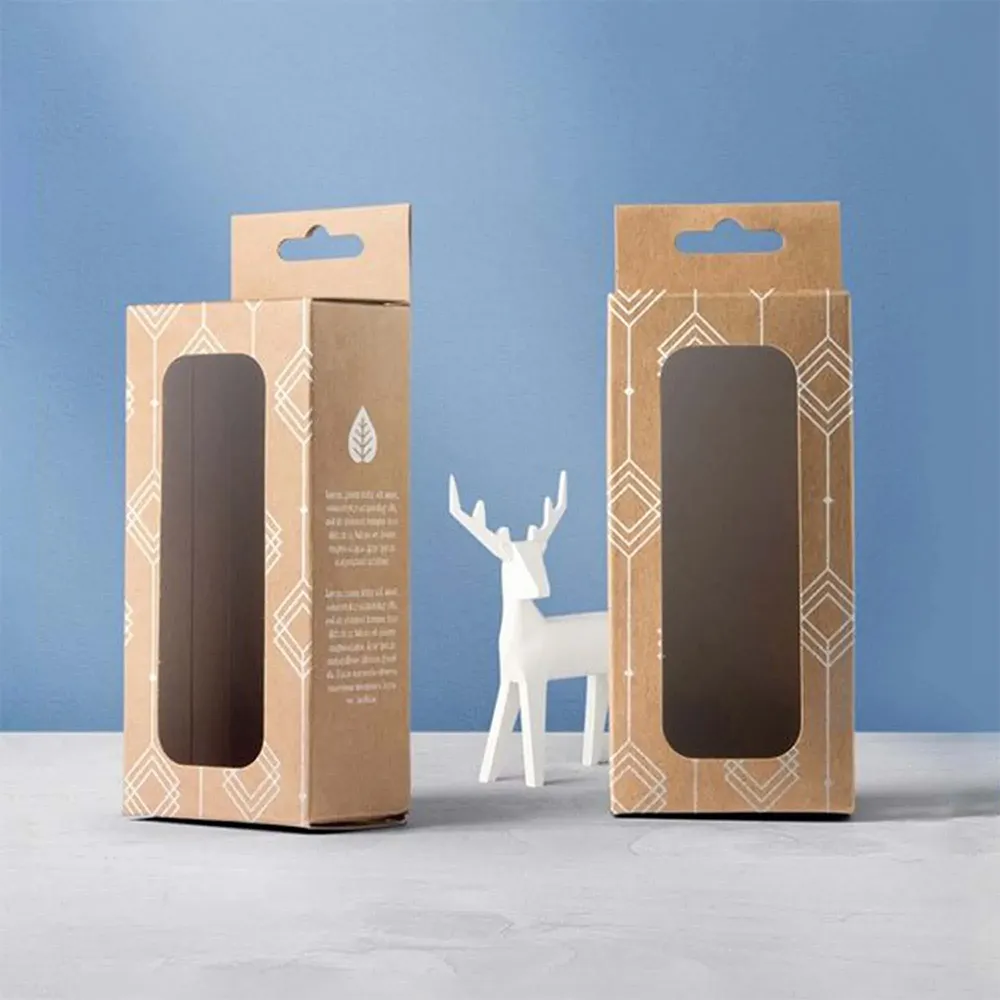
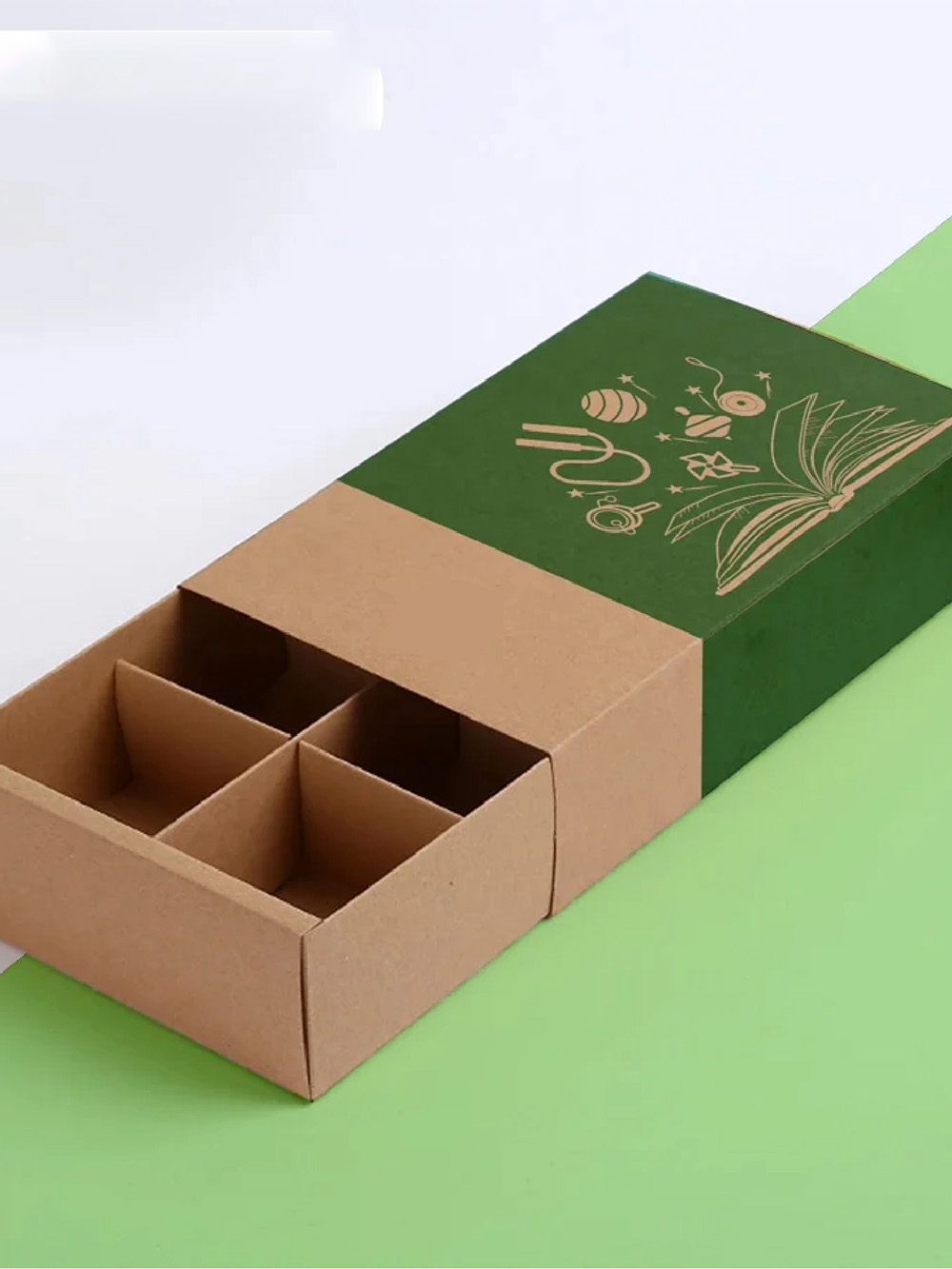
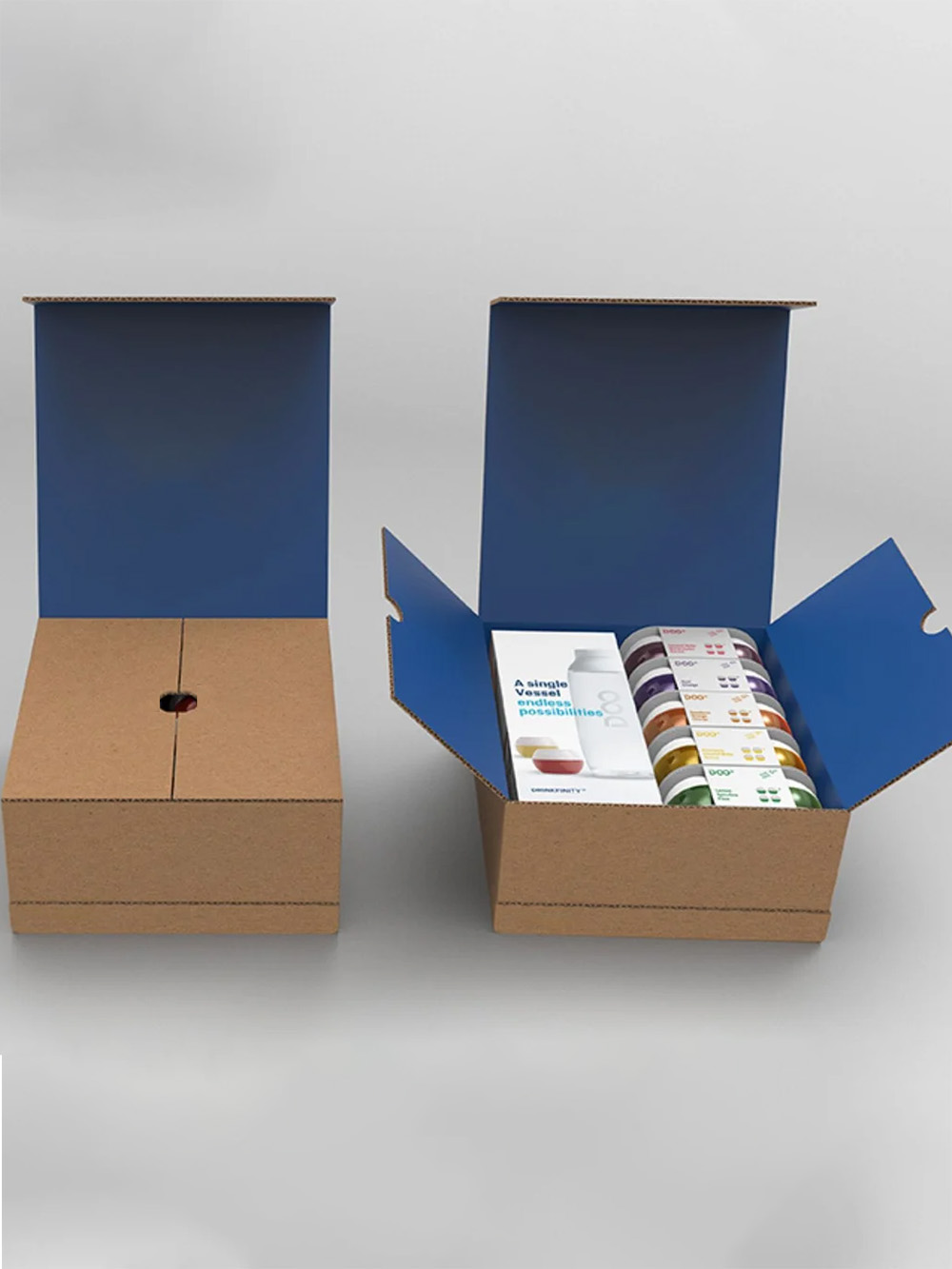
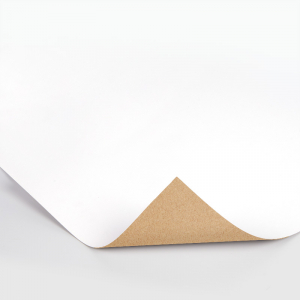
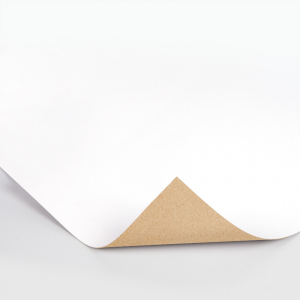
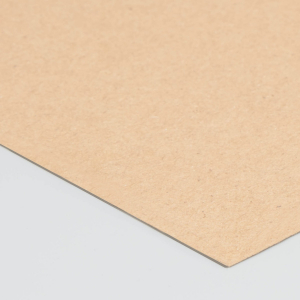
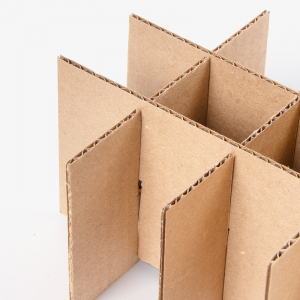
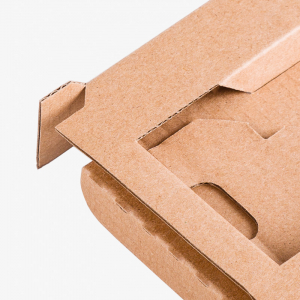
Corrugated retail board – the fluted, three-layer construction most people picture when they hear “cardboard.” Built for durability first, but still fully printable for shelf-ready branding. This is the right call when your product needs to survive both a shipment to the store and handling once it’s there.
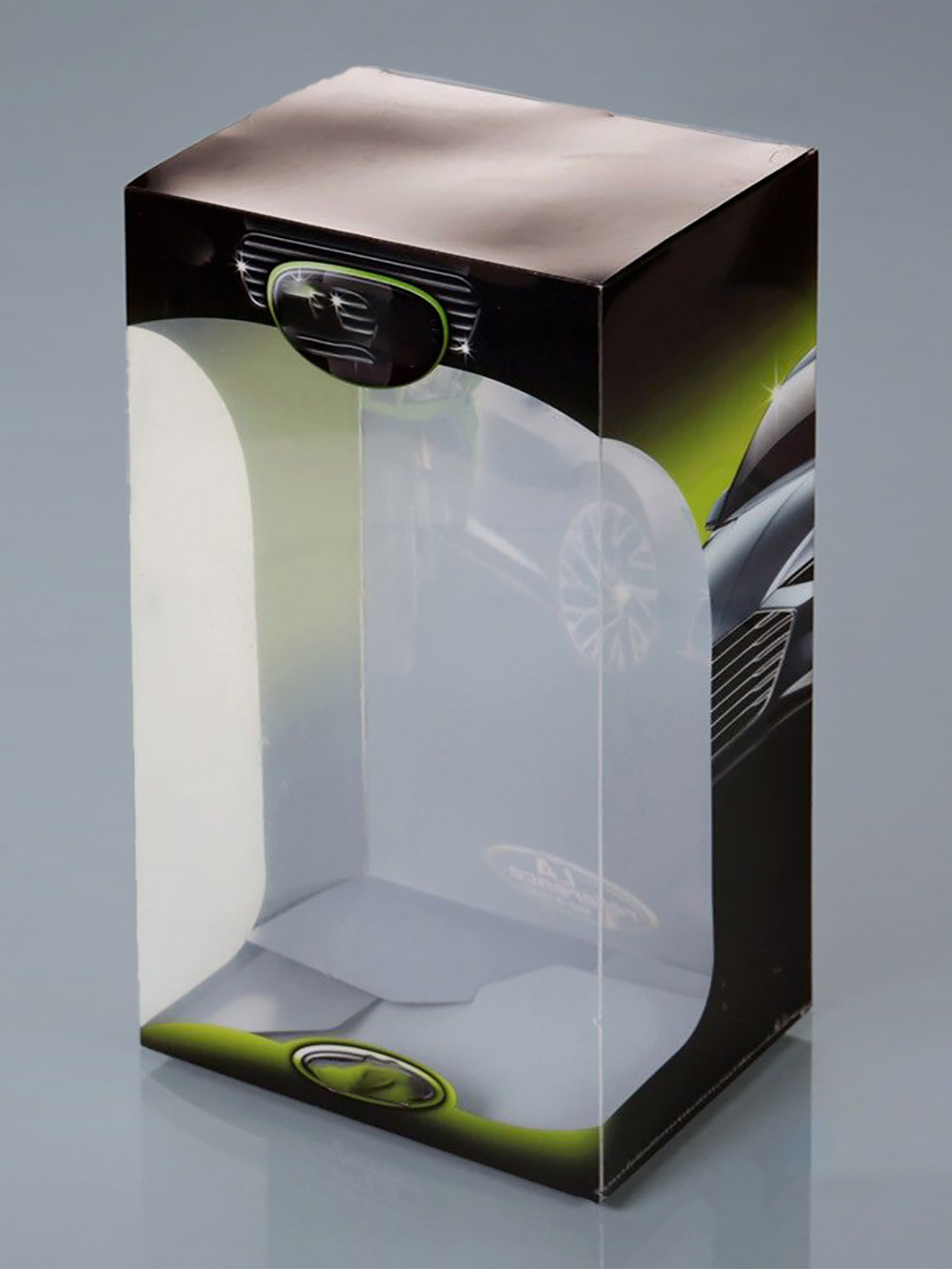
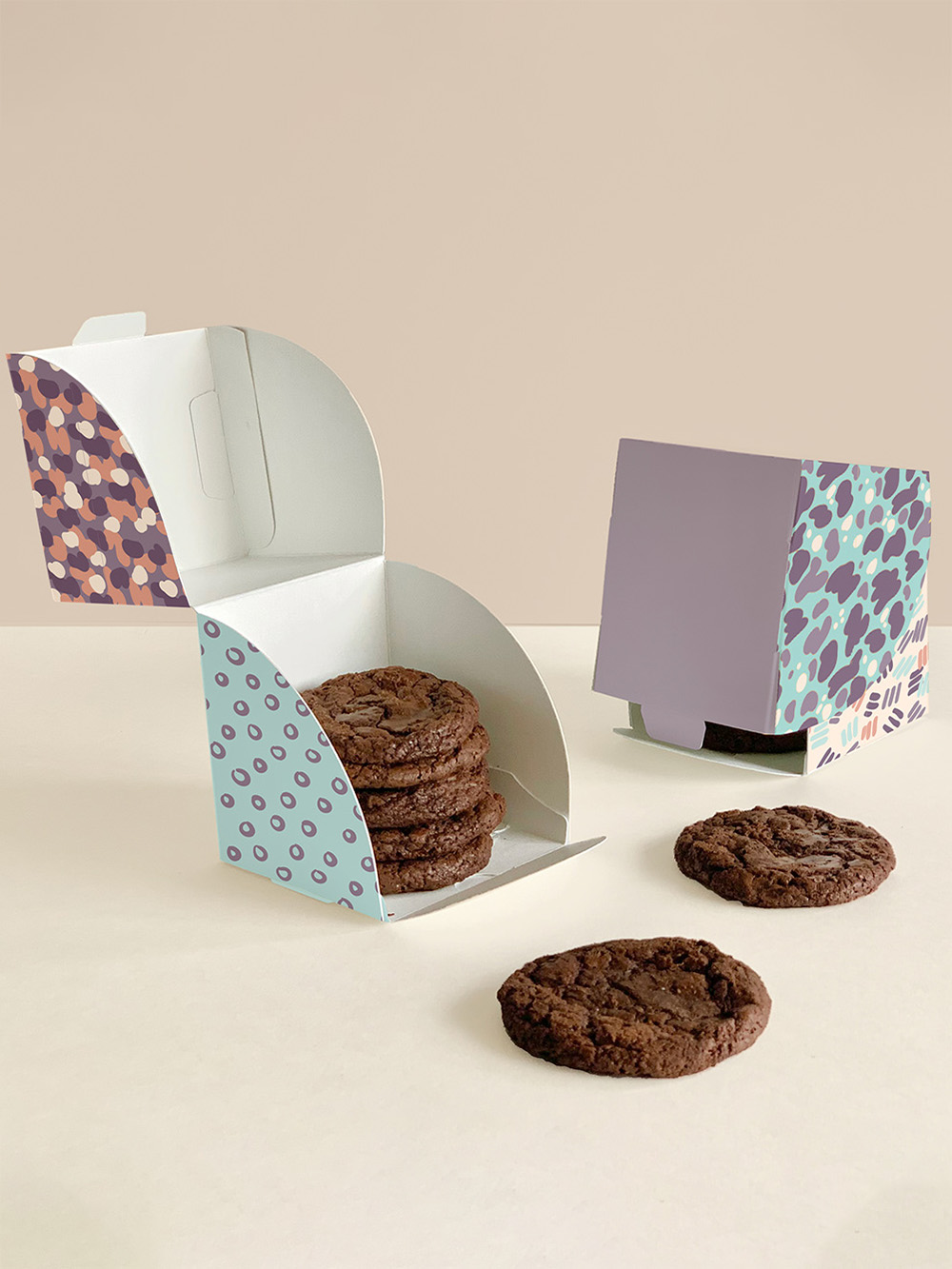
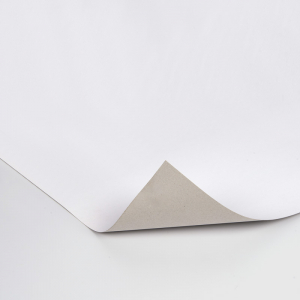
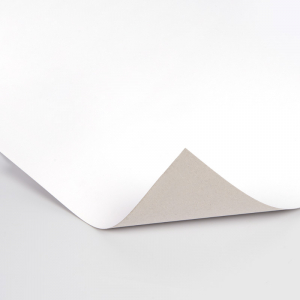
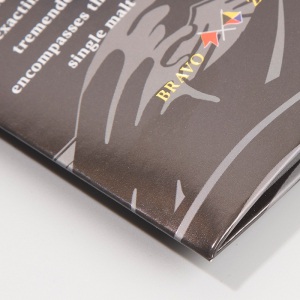
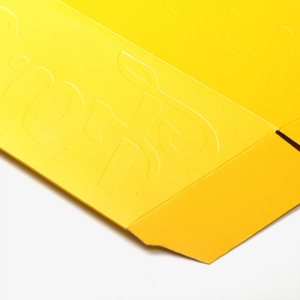
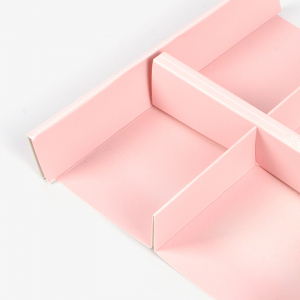
Folding carton (paperboard) – a single, dense sheet, thinner than corrugated, that folds flat and assembles into shape. Common for smaller retail goods – supplements, small electronics, food items – where shelf footprint and print clarity matter more than crush strength.
A Quick Way to Tell Which One You Need
If your product is heavy or the box travels loose in a shipment before reaching a shelf, go corrugated. If it’s a small, lightweight item sold primarily in-store, a folding carton is usually cheaper and prints just as sharp. Rigid is reserved for products where the box itself is part of the perceived value – think unboxing experience, not just protection.
How Do You Get a Retail Box That Survives Shipping and Looks Good on the Shelf?
This is the tension every retail buyer eventually runs into: a box tough enough to survive a freight pallet often isn’t the same box that photographs well or catches a shopper’s eye. The fix isn’t a compromise box – it’s choosing the right board weight and finish for the specific leg of the journey your box has to survive.
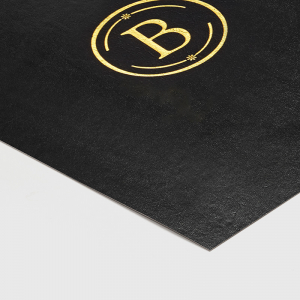
For products shipping directly from your warehouse to a retailer’s shelf, we typically spec a mid-weight corrugated board (something in the 32–44 ECT range; confirm your actual stock) with a coated liner – strong enough to stack on a pallet, smooth enough to hold sharp CMYK printing once it’s unpacked and displayed. For products that go straight to shelf without a rough transit leg, a lighter folding carton with a matte or soft-touch finish gets you sharper print detail without paying for strength you don’t need.
The Mistake We See Most Often
Buyers often ask for “the strongest box” by default, assuming more durability is always safer. It isn’t – over-speccing corrugated board on a small product adds unnecessary weight and shipping cost, and it can actually look bulky and cheap next to a competitor’s tighter, better-fitted packaging on the same shelf.
Get Custom Quote