What Actually Makes a Bag Child-Resistant, Not Just Hard to Open?
Certified child-resistant packaging is tested and classified under ASTM D3475 and must meet CPSC 16 CFR 1700.20, the same federal Poison Prevention Packaging Act standard that governs medicine bottle caps. The real mechanism behind genuine child-resistant closures is two-handed coordination, a press-and-seal or pinch-and-pull design that requires a sequence of actions a young child typically can’t perform correctly within the testing window, not a zipper that’s simply stiff or hard to grip. This is worth being precise about: certified child-resistant means significantly difficult for a child to open within a tested time limit, not literally impossible, an honest distinction worth stating rather than overselling.
A bag that looks like it has a secure closure but hasn’t been lab tested and certified to these standards doesn’t count, regardless of how it feels in hand. If a retailer, state regulator, or compliance audit ever asks for certification, “it feels pretty tough to open” isn’t documentation; a real test report is.
Does Your State Require Opaque Packaging, or Is Clear Allowed?
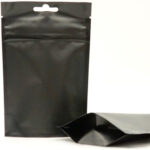
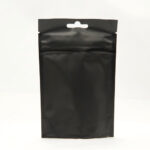
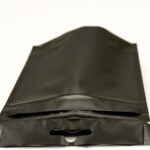
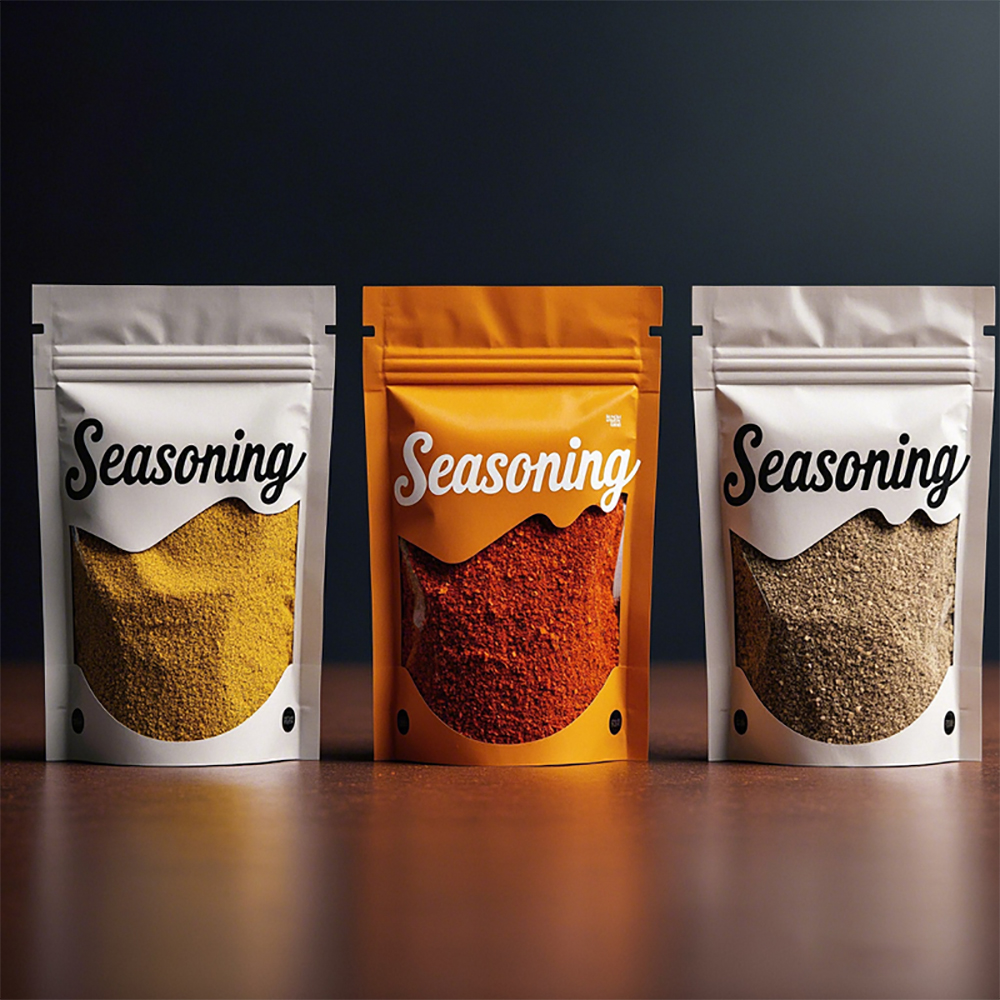
This varies by state, and it’s a real compliance detail worth confirming before finalizing artwork, not a style preference. Some states specifically prohibit the product from being visible through the packaging, which rules out a clear or vista-style window entirely regardless of how the brand wants the product presented. Other states allow a partial clear window as long as the bag still meets the certified closure requirement. Opaque black, white, and matte finishes all meet the non-visible requirement where it applies, while vista packaging, clear on one panel, opaque on the rest, works only where local rules permit visible product.
Beyond general child-resistant requirements, some states specifically require a distinct exit bag closure for products leaving a licensed dispensary, a closure standard separate from the general child-resistant packaging requirement used earlier in the supply chain. Confirming which requirement applies to your specific point of sale matters before ordering, since the two aren’t interchangeable.
This page is written for packaging and labeling guidance, not legal advice. Child-resistant packaging requirements vary by state and change frequently; confirm your specific requirements with legal counsel before finalizing packaging for sale.
Get Custom Quote